Jumilla, Spain
- 25,685 people
- 38.4764, -1.3222
No places available for this city.
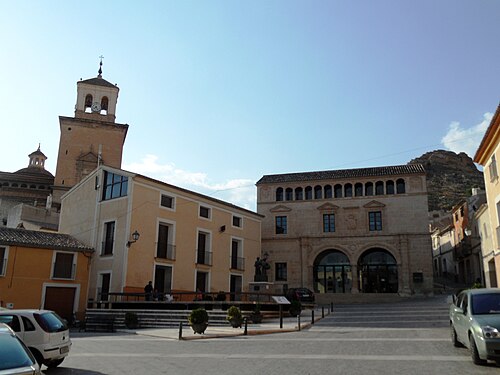
Jumilla is a municipality and city located in the southeastern part of Spain, within the autonomous community of Murcia. Situated approximately 70 kilometers northeast of Murcia city, Jumilla is known for its rich history, picturesque landscapes, and notable wine production. The city, with a population of around 25,000 residents, is nestled in a valley surrounded by mountains and is characterized by its dry, Mediterranean climate, which contributes to its agricultural prominence. The region's historical roots can be traced back to the Iberians, Romans, and Moors, each leaving a significant impact on its cultural and architectural heritage. Among its most famous landmarks is the 15th-century Jumilla Castle, perched on a hilltop, which offers panoramic views of the surrounding countryside.
Jumilla is perhaps best known for its wine production, particularly the robust red wines made from the Monastrell grape, which thrives in the local climate. The Jumilla Denomination of Origin (D.O.) was established in 1966, reflecting the region's commitment to producing high-quality wines. Several wineries in the area offer tours and tastings, attracting both connoisseurs and casual visitors. The annual Wine Festival, held in August, showcases the local viticulture along with gastronomy, further enhancing the city's reputation as a hub for wine lovers. Alongside its winemaking traditions, Jumilla is also notable for its archaeological sites, including ancient burial grounds and Roman ruins, which highlight the area's long-standing significance throughout history. The city's blend of cultural heritage, agricultural richness, and scenic beauty renders it an appealing destination for tourists exploring the diverse landscapes of Spain.
Facts about Jumilla
- Jumilla is famous for its wine production, particularly its red wines made from Monastrell grapes, and it is part of the Jumilla Denomination of Origin.
- The city has a rich history dating back to prehistoric times, with ancient archaeological sites like the Casa Nueva Dolmen and the Castillo de Jumilla, a 15th-century castle that offers panoramic views of the region.
- Jumilla celebrates the Fiesta de la Vendimia, a vibrant wine festival held every September, which attracts tourists and locals alike with parades, music, and, of course, wine tastings.
- The city is home to the Church of Santiago, a stunning example of Gothic architecture, which was built in the 15th century and features an impressive altarpiece and intricate carvings.
- Jumilla is known for its unique geographical position, situated between two mountain ranges, which contributes to its distinct microclimate and the quality of its vineyards.
- The city has a diverse range of archaeological sites, including Roman ruins and medieval structures, showcasing its historical significance through different eras.
- In addition to wine, Jumilla is also renowned for producing agricultural products like olives and almonds, contributing to its rich agricultural heritage.
- Jumilla's annual Semana Santa (Holy Week) processions are recognized for their grandeur and attract visitors from across Spain, showcasing elaborate religious floats and traditional costumes.
- The city hosts the international festival known as 'Cosecha de los Vinos,' which includes wine tastings, cultural exhibitions, and competitions, further promoting its local viticulture.
- Jumilla is a gateway to the Sierra del Carche Natural Park, offering outdoor enthusiasts opportunities for hiking, birdwatching, and exploring the region's natural beauty.