Junction City KS, United States
- 24,621 people
- 10 places to visit
- 39.0286, -96.8314
Places to Visit (10)
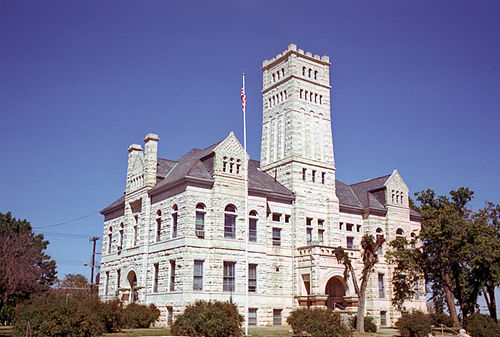
Junction City, located in Geary County, Kansas, is a vibrant city with a rich history and a diverse community. Established in 1858, it originally served as a transportation hub due to its strategic location at the confluence of the Republican and Smoky Hill rivers. The city was named for its position near the junction of these two rivers, which played a significant role in the early settlement and economic development of the region. Over the years, Junction City has grown and evolved, particularly after the establishment of Fort Riley in 1853, which has had a lasting impact on the city’s demographic and economic landscape. The fort serves as a major U.S. Army installation, influencing not only the local economy but also the community’s cultural fabric as it draws military personnel and their families from across the nation.
Junction City has a population of approximately 23,000 residents and is known for its strong sense of community and a mixture of urban amenities and small-town charm. The city's economy is diverse, with key sectors including retail, healthcare, education, and military services. Junction City boasts a number of parks, recreational facilities, and historical sites, reflecting its deep-rooted history. The downtown area features a variety of shops, restaurants, and local businesses that contribute to the city’s lively atmosphere. Annually, Junction City hosts events such as the Rivers and Rails Festival, which celebrates the city's rich heritage, and other community-oriented gatherings that foster local pride and engagement. With a focus on education and community welfare, Junction City is served by the Geary County Schools, providing residents with quality education opportunities.
Overall, Junction City presents a blend of historical significance and modern living, making it a unique place to live, work, and visit. Its proximity to Fort Riley not only shapes the economy but also enriches the cultural diversity of the area. The city's commitment to growth, community involvement, and enhancing the quality of life makes it a notable destination within the state of Kansas. Whether through its historical landmarks, annual festivals, or community programs, Junction City continues to thrive, embodying the spirit of resilience and cooperation prevalent in many American towns.
Facts about Junction City
- Junction City, Kansas is home to the Geary County Historical Museum, which features exhibits that highlight local history, including the town's significance in the westward expansion of the United States.
- The city was established at the junction of the Smoky Hill and Republican Rivers, which played a crucial role in its development as a transportation hub in the 19th century.
- Junction City has a rich military history, being near Fort Riley, which is one of the oldest active military installations in the U.S., established in 1853.
- The city hosts the annual Junction City Rodeo, one of the longest-running rodeos in the state of Kansas, attracting participants and spectators from across the region.
- Junction City is known for its diverse cultural community, with events like the annual Fiesta Mexicana celebrating Hispanic heritage through music, dance, and food.
- In 1910, Junction City was a key site for the construction of the Rock Island Railroad, significantly contributing to the town's economic growth during that era.
- The town is recognized for its unique murals, which reflect its history and local culture, making it a vibrant destination for art enthusiasts.
- Junction City’s Central Kansas Technology Center offers high-quality vocational education, equipping students with skills for various industries, thus distinguishing it as an educational hub.
- The city's location along the famous Santa Fe Trail highlights its historical relevance as a supply point for pioneers traveling to the western territories.
- Junction City is also notable for its scenic parks and recreational opportunities, including the scenic Riverwalk along the Smoky Hill River, which provides residents and visitors with outdoor spaces for activities.