Jundiaí, Brazil
- 321,589 people
- 15 places to visit
- -23.1857, -46.8892
Places to Visit (15)
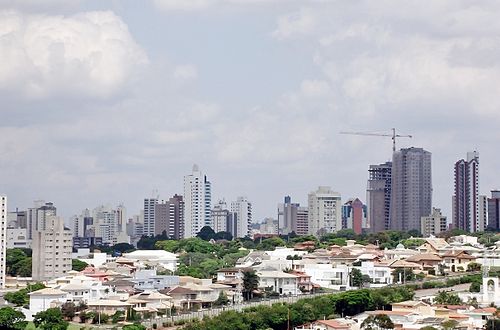
Jundiaí is a city located in the state of São Paulo, Brazil, situated approximately 60 kilometers (37 miles) northwest of the state capital, São Paulo. As of the latest census, Jundiaí has a population of around 400,000 residents, reflecting its status as one of the significant urban centers in the region. The city is known for its strategic location at the junction of important highways, including the Anhanguera and Bandeirantes, which facilitate commerce and connectivity with other major cities in the southeastern part of the country. Economically, Jundiaí thrives as a hub for industries, particularly in sectors such as automotive, pharmaceuticals, and food processing. The city's industrial landscape has attracted numerous companies, positioning it as a vital economic player in the region.
In addition to its economic significance, Jundiaí is renowned for its quality of life and environmental features. The city is surrounded by lush greenery, mountainous terrain, and parks, making it appealing for outdoor activities and tourism. Notably, the Parque da Cidade and the Serra do Japi reserve provide ample opportunities for hiking and exploring nature. Jundiaí also hosts cultural events and festivals that reflect the rich history and diversity of its inhabitants, including the annual Festa da Uva, which celebrates viticulture, a nod to the city’s historical connection to grape cultivation. Furthermore, Jundiaí is home to various educational institutions, enhancing its role as a center for learning and innovation in the state. The blend of industrial growth and environmental awareness positions Jundiaí as a model of urban development in Brazil, making it an attractive destination for both residents and businesses.
Facts about Jundiaí
- Jundiaí is known for its rich Italian heritage, which is celebrated annually in the Festa da Uva (Grape Festival), highlighting the city's viticultural history.
- The city is considered one of the main economic hubs in the State of São Paulo, with a strong industrial base that includes textile and food processing industries.
- Jundiaí is home to the first cable car in South America, which connects the city to the nearby mountain of Serra do Japi, an important ecological area.
- The city has a unique climate characterized by its high altitude and a mix of subtropical and temperate conditions, making it ideal for agriculture, particularly grape cultivation.
- Jundiaí was the first city in Brazil to have its own public transport system using electric trams, initiated in the early 20th century.
- The Jundiaí Valley, where the city is located, is significant for its historical role as a vital route connecting São Paulo and Rio de Janeiro, promoting commerce and development.
- The city is known for its numerous parks and green spaces, including Parque da Cidade, which is a popular destination for outdoor activities and events.
- Jundiaí presents a diverse cultural scene, with numerous museums, theaters, and galleries that contribute to its reputation as a cultural center in the region.
- The Jundiaí railway station, built in the 19th century, is an important historical landmark and part of the city's efforts to preserve its heritage.
- In 2021, Jundiaí was recognized as one of the best cities in Brazil for investment opportunities, reflecting its economic growth and infrastructure development.