Juneau AK, United States
- 32,756 people
- 10 places to visit
- 58.3005, -134.4201
Places to Visit (10)
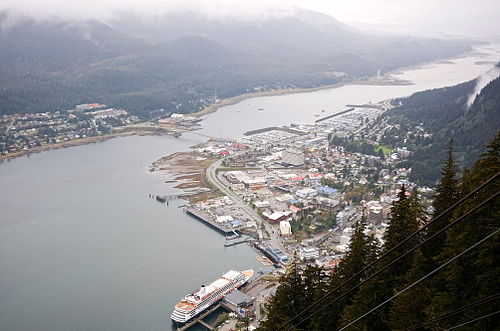
Juneau, the capital city of Alaska, is located in the state's Southeast region along the Gastineau Channel. It is unique among American capitals in that it is not accessible by road; the only ways to reach Juneau are by air or sea. With a population of approximately 32,000 residents, Juneau is the second-largest city in Alaska by both area and population. The city covers about 3,254 square miles, with its landscape primarily characterized by stunning mountains and coastal scenery. Juneau's historical roots trace back to 1880, when gold was discovered in the area, leading to a gold rush that spurred significant growth.
As the state capital, Juneau is home to numerous government offices, including the Alaska State Legislature and the Governor's office. The city boasts a rich cultural heritage that reflects its Native Alaskan roots, as well as the influences of Russian and American settlers. This heritage is celebrated in various local events, museums, and art galleries. Juneau is also known for its vibrant tourism industry, drawing visitors to attractions like the Mendenhall Glacier, the Alaska State Museum, and the scenic vistas of the Tongass National Forest. Outdoor activities such as hiking, fishing, and whale watching are popular, taking advantage of the city's breathtaking natural surroundings. The economy of Juneau is primarily driven by public administration, tourism, and maritime services, with a growing emphasis on innovation and sustainable practices to protect the environment while supporting local development.
Facts about Juneau
- Juneau is the only US state capital that is not accessible by road; it can only be reached by boat or plane.
- The city is situated on the shores of the Gastineau Channel and is surrounded by the breathtaking scenery of the Tongass National Forest, the largest national forest in the United States.
- Juneau was named after gold prospector Joe Juneau, who discovered gold in the area in 1880, leading to a gold rush and the establishment of the city.
- The Juneau Icefield, part of the larger Juneau Icefield, is one of the largest ice masses in North America and feeds several glaciers, including the famous Mendenhall Glacier.
- Juneau is home to the Alaska State Museum, which holds a comprehensive collection of Alaska Native artifacts and historical exhibits highlighting the state's rich culture and history.
- The city hosts the annual Juneau International Folk Festival, attracting musicians and dancers from around the world to celebrate cultural diversity and artistic expression.
- Juneau is known for its vibrant whale-watching tours, offering opportunities to see humpback whales, orcas, and other marine wildlife in their natural habitat.
- The city is the only incorporated city in the United States that includes a borough (the City and Borough of Juneau), which encompasses a vast area of land and water.
- Juneau's economy relies heavily on tourism, government, and mining, with many visitors drawn to its stunning natural beauty and outdoor activities.
- The city has a unique blend of cultural influences, including Tlingit Indigenous heritage, which is reflected in local art, events, and community practices.