Jyväskylä, Finland
- 144,477 people
- 17 places to visit
- 62.2426, 25.7472
Places to Visit (17)
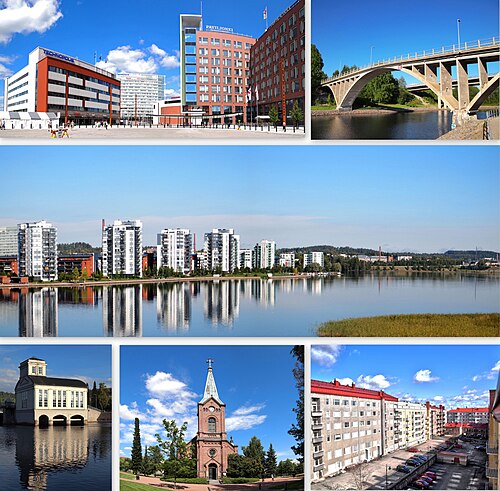
Jyväskylä, located in central Finland, is a vibrant city known for its rich educational and cultural heritage. Founded in 1837 by the Russian Grand Duke Nicholas, who later became Emperor Nicholas I of Russia, the city emerged primarily as a center for trade and education. Today, Jyväskylä is often referred to as the "Athens of Finland" due to its strong emphasis on education, hosting the University of Jyväskylä, founded in 1863, which is one of the leading institutions in Finland. The city is also recognized for its architectural significance, boasting numerous buildings designed by renowned Finnish architect Alvar Aalto. His iconic works contribute to Jyväskylä's unique urban landscape, attracting architecture enthusiasts and tourists alike.
Nestled on the shores of Lake Jyvaskyla and surrounded by lush forests, the city is celebrated for its natural beauty, providing ample opportunities for outdoor recreation. Residents and visitors can engage in activities such as hiking, cycling, and water sports, particularly during the summer months when the landscape is alive with color. Jyväskylä has a population of approximately 140,000, making it one of Finland's larger cities. The city is also known for its dynamic cultural scene, hosting various festivals, concerts, and events throughout the year, including the Jyväskylä Festival and the Jyväskylä Art Museum. The blend of education, culture, and natural beauty makes Jyväskylä a distinctive place that highlights the quintessential Finnish lifestyle.
Facts about Jyväskylä
- Jyväskylä is known as the 'Athens of Finland' due to its strong emphasis on education and numerous higher education institutions, including the University of Jyväskylä, which was founded in 1863.
- The city boasts a unique architectural heritage, featuring numerous buildings designed by renowned Finnish architect Alvar Aalto, making it a significant center for modernist architecture.
- Jyväskylä hosts the annual Jyväskylä Festival, which is one of the largest cultural events in central Finland, highlighting theater, music, and visual arts.
- The city is surrounded by more than 250 lakes and is a key destination for summer water sports and winter activities, due to its abundant natural beauty.
- Jyväskylä is home to the largest wooden church in Finland, the Jyväskylä Old Church, built between 1854 and 1857, showcasing exquisite craftsmanship.
- The city features the Jyvaskyla Science Park, which supports innovation and research and is a part of Finland's initiative to enhance technology and business collaboration.
- Jyväskylä was the first municipality in Finland to establish a public library in 1875, a significant milestone in promoting literacy and education.
- The city celebrates its unique historical connection to the Finnish revolutionary, A.O. Väinö Linna, who was born and raised in Jyväskylä, strengthening its cultural narrative.
- Jyväskylä has been recognized as a 'National Urban Park' due to its beautiful nature and well-planned urban environment, serving as a model for other Finnish cities.
- The city regularly ranks among the best places to live in Finland due to its high quality of life, green spaces, and active community engagement.