Kaarst, Germany
- 42,112 people
- 11 places to visit
- 51.2241, 6.6172
Places to Visit (11)
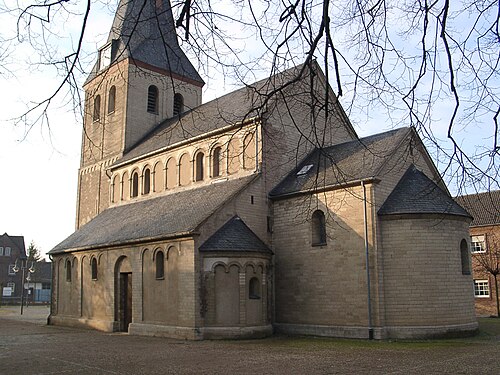
Kaarst is a town in the North Rhine-Westphalia region of Germany, situated in the district of Rhein-Kreis Neuss. It lies approximately 16 kilometers northwest of Düsseldorf, making it a part of the Düsseldorf metropolitan area. Kaarst was officially designated as a town in 1970, when several smaller communities, including Kaarst, Vorst, and Holzbüttgen, were merged. The town covers an area of about 21 square kilometers and has a population of around 40,000 residents. Kaarst is characterized by its mixture of urban and rural elements, with green spaces and parks that contribute to the town's appeal.
The town boasts a rich history dating back to the Middle Ages, with remnants of its past still visible in its architecture and layout. Key historical landmarks include St. Martin's Church in Kaarst and the old village structures that suggest a longstanding agricultural tradition. Kaarst serves as a hub for commerce and services, promoting a strong local economy. It is well-connected by public transport, including regional trains and buses, providing easy access to surrounding areas and cities like Düsseldorf and Neuss. The nearby A57 and A52 highways further enhance Kaarst’s accessibility, facilitating trade and travel.
Kaarst has a vibrant cultural scene with various events and activities that reflect its community spirit. The town hosts annual festivals, local markets, and exhibitions, fostering a sense of belonging among residents. Education is well-supported, with several primary and secondary schools, as well as facilities for vocational training. Recreational opportunities abound with sports clubs, gyms, and recreational parks catering to various interests. With its strategic location, historical significance, and strong community infrastructure, Kaarst continues to grow as an attractive place for residents and visitors alike.
Facts about Kaarst
- Kaarst was formed in 1975 through the merger of the towns Kaarst and Büttgen, making it a relatively young municipality in North Rhine-Westphalia.
- The city is known for its unique wooden bell tower, the 'Büttgen Church Tower', which dates back to the 13th century and is a rare example of medieval architecture in the region.
- Kaarst hosts an annual event called 'Kaarster Gartenfest', which celebrates gardening and local flora, attracting plant enthusiasts from around the region.
- The city has a rich industrial history, with its early development tied to the textile industry in the 19th century, distinguishing it from other nearby towns.
- Kaarst is home to the largest shopping center in the area, the 'Büttgen Center', which offers a wide range of retail options and has become a social hub for residents.
- The 'Kaarster Lake' (Kaarster See) is a popular recreational area that provides opportunities for swimming, sailing, and hiking, making it a unique natural asset compared to surrounding urban areas.
- Kaarst's location between Düsseldorf and Neuss gives it strategic significance and allows residents easy access to both cultural and economic activities in these larger cities.
- The city is part of the 'Rhein-Kreis Neuss', which emphasizes regional cooperation in terms of development, transportation, and environmental sustainability, setting it apart from purely independent towns.
- Kaarst's 'Stadthalle' (City Hall) is a multifunctional venue that hosts various cultural events, concerts, and exhibitions, enriching local cultural life beyond typical local offerings.
- As of recent years, Kaarst has been recognized for its efforts in sustainability and green initiatives, leading to its designation as a 'Sustainable City' within North Rhine-Westphalia.