Kabankalan, Philippines
- 136,483 people
- 9.9134, 122.8536
No places available for this city.
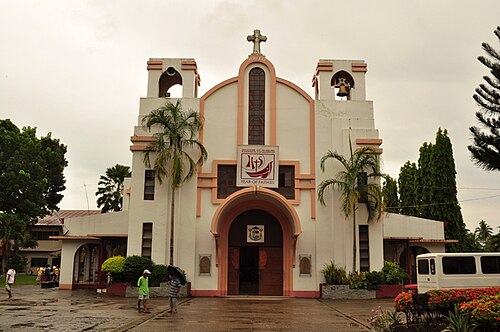
Kabankalan City is a prominent urban area located in the province of Negros Occidental, Philippines. Situated approximately 57 kilometers south of Bacolod City, the capital of the province, Kabankalan occupies a strategic position along the western coast of Negros Island. This city is part of the 4th congressional district of Negros Occidental and plays a vital role in the local economy, primarily driven by agriculture, trade, and services. Known for its lush landscapes and rich agricultural resources, Kabankalan is often referred to as the "Green City" due to its fertile lands that support various crops, including sugarcane, rice, and bananas, making agriculture a cornerstone of the city's economic activities.
Kabankalan City was established as a municipality in 1903, eventually attaining city status on May 1, 2001. Its historical and cultural significance is underscored by its numerous festivals, such as the "Sinulog Festival," celebrated annually in January. The festival showcases local heritage and attracts both tourists and locals, featuring vibrant street performances and religious events. The city's governance is spearheaded by a mayor and a set of councilors, who are responsible for local legislation and administration. Infrastructure development has seen growth over the years, with improvements in roads, public markets, schools, and healthcare facilities, contributing to the overall quality of life for its residents. Kabankalan is also strategically important for transportation, with accessible routes connecting it to major towns and cities in the region, facilitating trade and commerce.
Culturally diverse, Kabankalan reflects the rich blend of traditions and practices from various ethnic groups that reside there. The local population consists of a mix of Ilonggos, Cebuano, and other groups, which enriches the cultural landscape of the city. Education is a priority, with several educational institutions, including primary, secondary, and tertiary levels offering a range of academic programs. As a center for education and commerce in Negros Occidental, Kabankalan continues to foster growth and development while maintaining its unique cultural identity. With a commitment to sustainability and community-oriented governance, Kabankalan City remains an essential part of the economic and cultural fabric of the Philippines.
Facts about Kabankalan
- Kabankalan City is known for the 'Sinulog Festival', a vibrant celebration that honors the Santo Niño and is marked by street dancing, music, and colorful costumes.
- The city is often referred to as the 'City of Oranges' due to its rich agricultural production, particularly of sweet and juicy oranges that are grown in the area.
- Kabankalan City has a significant historical landmark, the San Isidro Labrador Parish Church, which showcases beautiful architecture and serves as a center for the local Catholic community.
- The city was officially converted from a municipality to a city on December 21, 2000, after a successful plebiscite, distinguishing it from many other towns in the region.
- Kabankalan is strategically located within the Negros Occidental province, which is known for its sugarcane production, and has several sugar mills that contribute to the local economy.
- The city is home to the Kabankalan National High School, which has made significant achievements in various academic competitions, showcasing the city's commitment to education.
- Kabankalan City hosts the 'Kabankalan Babalik Festival', celebrating the heritage and culture of the local people, further enhancing its identity within the Philippines.
- The city is near the scenic Mount Canlaon, the highest peak in the Visayas region and an active volcano, offering opportunities for eco-tourism and adventure activities.
- Kabankalan is notable for its involvement in environmental protection initiatives, promoting sustainability within its community and surrounding areas.
- The city has a diverse community that includes various cultural groups, making it a melting pot of traditions and practices unique to the region.