Kabwe, Zambia
- 188,979 people
- 3 places to visit
- -14.4285, 28.4514
Places to Visit (3)
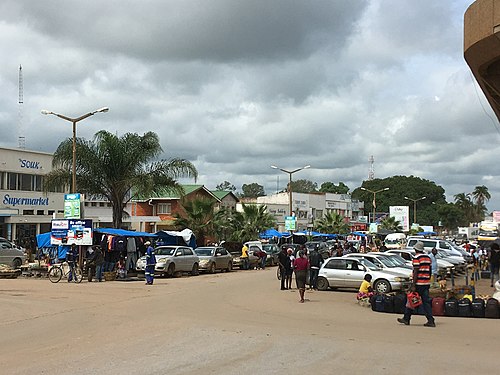
Kabwe, formerly known as Broken Hill, is a city located in the central part of Zambia, around 150 kilometers northeast of the capital, Lusaka. It serves as the administrative and commercial center of the Central Province and has a rich history linked to mining and mineral resources. The city gained international attention in the mid-20th century when important mineral discoveries were made, including lead and zinc, which contributed significantly to Zambia's economy. Kabwe was historically notable for its association with the mining industry, which attracted both local and foreign labor. The city’s population has fluctuated over the years, with estimates suggesting it has around 200,000 residents today, making it one of Zambia’s larger urban centers.
Kabwe is marked by a variety of cultural influences, reflecting the diverse communities that have settled in the area over the years. The local economy, while still influenced by mining, has diversified into agriculture, trade, and services. Educational institutions, such as secondary schools and vocational training centers, contribute to the community's development and provide opportunities for young people. However, Kabwe faces challenges such as urbanization pressures, infrastructure development, and environmental concerns, particularly from historical mining activities. Despite these challenges, Kabwe remains an important city in Zambia, with ongoing efforts to revitalize its economy and improve living conditions for its residents. The city's landmarks, coupled with its historical significance, continue to attract visitors and underscore its role in the broader context of Zambian history and development.
Facts about Kabwe
- Kabwe is known as the 'Gateway to the Copperbelt' and serves as a significant commercial and transport hub in Zambia.
- The city is notable for its history as a major center for mining, especially lead and zinc, which had a profound impact on its development during the colonial era.
- Kabwe was the first town in Zambia to be gazetted as a district on April 1, 1899.
- It was originally named 'Broken Hill' after the discovery of lead deposits in the early 1900s.
- The Kabwe Golf Club, established in 1925, is one of the oldest golf clubs in Zambia, highlighting the city's recreational culture.
- The old railway station in Kabwe is a historical landmark, reflecting the colonial architecture that was common in the early 20th century.
- Kabwe is home to one of the largest concentrations of lead and cadmium pollution in the world, leading to significant environmental and health challenges.
- The city is recognized for the Kabwe Skull, a partial human skull found in 1921 that is one of the earliest evidence of human habitation in Zambia.
- Kabwe's agricultural activities are diverse, with the presence of farms producing a variety of crops, distinguishing it as a significant agricultural center.
- The city hosts the annual Kabwe Arts Festival, which promotes local culture and talent among artists and musicians.