Kadapa, India
- 127,010 people
- 14.4673, 78.8242
No places available for this city.
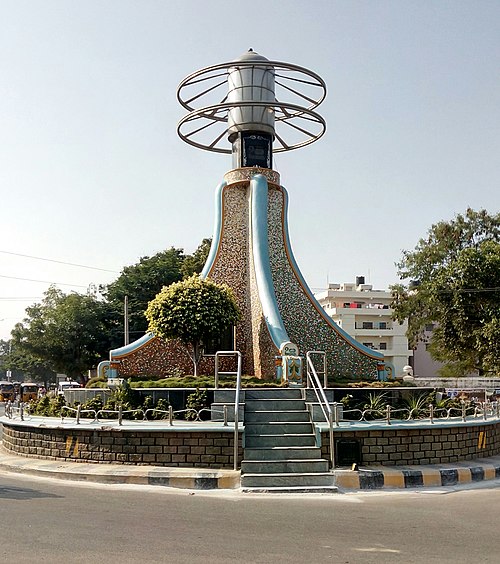
Kadapa, also known as Cuddapah, is a city located in the Indian state of Andhra Pradesh. It serves as the administrative headquarters of the Kadapa district and is situated in the Rayalseema region, approximately 300 kilometers southwest of the state capital, Amaravati. The city lies at the confluence of the two rivers, the Penna and the Chitravati, benefiting from fertile soils and a favorable climate that has historically supported agriculture. Kadapa has a rich cultural and historical heritage, with significant influences from various dynasties, including the Mauryas, the Satavahanas, and the Vijayanagara Empire.
Economically, Kadapa is largely dependent on agriculture, with crops such as millet, pulses, and groundnuts being widely cultivated. The city is also known for its granite and mineral resources, which include limestone and dolomite. Kadapa's infrastructure has been improving with the establishment of educational institutions, healthcare facilities, and various industries, making it an emerging hub for trade and commerce in the region. In terms of transportation, Kadapa is well-connected by road and rail, with the nearby Kadapa Airport enhancing connectivity to other major cities in India.
Culturally, Kadapa is a melting pot of traditions, languages, and festivals. The predominant language spoken is Telugu, and locals celebrate various festivals such as Ugadi, Dasara, and Diwali with great enthusiasm. The presence of historical landmarks, such as the Kadapa Fort, constructed by the rulers of the Golconda Sultanate, and several ancient temples, adds to the city's charm and attracts tourists who are interested in exploring its rich history. With its blend of agriculture, industry, and cultural vibrancy, Kadapa contributes significantly to the socio-economic landscape of Andhra Pradesh.
Facts about Kadapa
- Kadapa, also known as Cuddapah, is famous for its rich mineral resources, including limestone, iron ore, and quartz, contributing significantly to the local economy.
- The city is home to the historic Gandikota Fort, often referred to as the 'Grand Canyon of India,' offering stunning views of the Pennar River gorge.
- Kadapa has a unique blend of cultural heritage, with significant influences from various dynasties, including the Cholas, Vijayanagara, and the Mughals.
- The place is known for its traditional brass work and is economically driven by its artisans skilled in crafting brass and bronze items.
- Kadapa is a significant center for education and research, being home to several renowned institutions, including the Yogi Vemana University.
- The city hosts the famous annual Kadapa Mela, a traditional festival showcasing local crafts, food, and cultural performances that attract visitors from all over the region.
- Kadapa is notable for its unique cuisine, featuring local dishes such as 'Garelu,' 'Puliyogare,' and various traditional rice preparations that reflect its rich culinary diversity.
- The 'Pushkaralu' festival, celebrated every 12 years on the banks of the river Penna, attracts pilgrims and tourists to Kadapa, emphasizing the city's spiritual significance.
- Kadapa's historical significance is enhanced by the presence of numerous ancient temples, including the famous Sri Lakshmi Chandramouleeswara Swamy Temple, which is an architectural marvel.
- The region's geology, particularly around Kadapa, is characterized by its unique sedimentary rock formations, which hold significant research value for geologists.