Kajaani, Finland
- 36,498 people
- 12 places to visit
- 64.2222, 27.7278
Places to Visit (12)
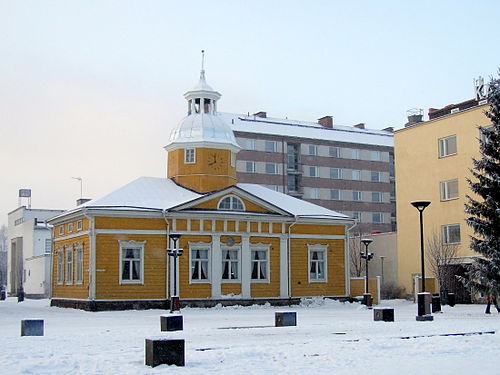
Kajaani is a city in central Finland, situated at the confluence of the Kajaaninjoki River and Lake Oulu. As the administrative center of Kainuu region, Kajaani holds an important strategic position in the area due to its historical and economic significance. The city was founded in the late 17th century and received its city rights in 1776. Kajaani’s history is closely linked to the timber industry and the establishment of a paper mill in the early 20th century, which spurred its development and economic growth. The city has a population of approximately 35,000 residents, making it one of the larger municipalities in Kainuu, and it serves as a hub for education and cultural activities in the region.
Kajaani is known for its unique blend of natural beauty and urban amenities. The city is surrounded by forests and lakes, providing ample opportunities for outdoor activities such as hiking, fishing, and skiing in the winter months. The Kajaani River features a notable dam, and the picturesque Kajaani Castle ruins, dating back to the 17th century, are located nearby, attracting tourists and history enthusiasts. The local economy has diversified over the years, with modern industries such as information technology and healthcare playing pivotal roles, along with the traditional forestry and manufacturing sectors. Kajaani also hosts educational institutions, including a campus of the University of Applied Sciences, which enriches the city’s cultural landscape and promotes innovation within the community.
Culturally, Kajaani celebrates its heritage through various festivals and events, including the Kajaani Music Festival and the annual Kajaani River Festival, which showcases local artists and promotes community engagement. The city's amenities include museums, sports facilities, and a variety of dining options, contributing to a vibrant urban life. Kajaani's accessibility is enhanced by its transport links, including road and rail connections that facilitate travel to larger cities like Oulu and Helsinki. Overall, Kajaani represents a blend of historical charm, natural beauty, and modern living, making it an appealing place for both residents and visitors alike.
Facts about Kajaani
- Kajaani is known for its unique historical significance as it was the site of the first Finnish-language university, established in 1866.
- The city is home to the Kajaani Castle ruins, which date back to the late 17th century and showcase the area's medieval history.
- Kajaani is famous for its 'Kajaanin Rautatieasema', which is one of the oldest railway stations in Finland, built in 1886.
- The second-largest lake in Finland, Lake Oulujärvi, lies near Kajaani, making it an important hub for recreational activities.
- Kajaani hosts the annual Kajaani Poetry Festival, which promotes Finnish poetry and attracts poets and enthusiasts from across the country.
- The city is known for the annual Kajaani Music Festival, celebrating various music genres, with a strong focus on classical and folk music.
- Kajaani has a unique local dish called 'kalakukko', which is a traditional fish pie that is distinct to the Kainuu region.
- The city's strong connection to the Kainuu region has allowed it to maintain a unique cultural identity, differing from other Finnish cities.
- Kajaani is surrounded by beautiful natural landscapes, including the Kainuu forests and numerous rivers, making it a popular destination for outdoor activities.
- In 1987, Kajaani was recognized as a UNESCO Biosphere Reserve for its commitment to sustainable development and conservation in the Kainuu region.