Kakuda, Japan
- 33,221 people
- 7 places to visit
- 37.977, 140.7819
Places to Visit (7)
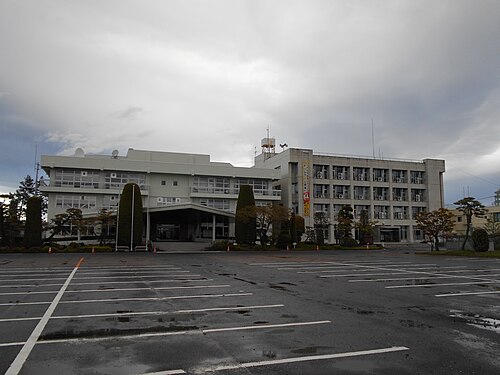
Kakuda is a city located in Miyagi Prefecture, Japan, known for its rich cultural heritage, beautiful landscapes, and a vibrant community. Situated within the Tōhoku region, Kakuda encompasses both urban and rural elements, making it a unique blend of modernity and tradition. The city covers an area of approximately 358 square kilometers and, as of the latest census, has a population of around 25,000 residents. Surrounded by mountains and rivers, Kakuda boasts a picturesque setting that attracts nature lovers and outdoor enthusiasts. The climate is characterized by cold winters and hot summers, which contributes to the region's agriculture, primarily rice farming.
Historically, Kakuda has significant ties to the samurai era and was known for its production of traditional wooden kites known as "Kakuda kites," which are celebrated during the annual Kakuda Kite Festival. This festival typically takes place in early May and features various kite-flying competitions and displays, drawing visitors from both local and neighboring areas. The city is also famous for its traditional crafts, particularly woodwork and pottery, which reflect the skills passed down through generations. Additionally, Kakuda is home to several historical sites and temples, such as the Jigenji Temple, which showcases the area's Buddhist heritage.
Economically, Kakuda has diversified its industries, integrating agriculture, manufacturing, and services. The city has made strides in promoting local products and engaging in sustainable practices. Furthermore, it has invested in infrastructure to enhance connectivity and support tourism, showcasing its natural beauty and cultural richness. With its harmonious blend of tradition and progress, Kakuda embodies the spirit of the Tōhoku region, making it an interesting destination for those seeking to explore Japan beyond its major cities.
Facts about Kakuda
- Kakuda is known for its unique production of high-quality sake, with several renowned breweries located in the city.
- The Kakuda City Historical Museum showcases artifacts and exhibits related to the city's history, including its role in the Edo period.
- Kakuda is famous for the Kakuda Fire Festival, held every summer, which features traditional dances and spectacular fire displays.
- The city is home to the Kakuda Shrine, an important religious site with over 1,300 years of history and beautiful annual festivals.
- Kakuda has a rich agriculture scene, particularly known for its production of high-grade rice, which contributes to its sake brewing.
- The nearby Katori Mountain is a popular spot for hiking and offers stunning views of the surrounding landscape, distinct from other urban centers.
- Kakuda is recognized as a city that promotes traditional crafts, particularly the art of 'Kakuda pottery' which has unique designs.
- The city is strategically located near the city of Sendai, allowing for both rural charm and easy access to urban amenities.
- Kakuda hosts the Kakuda Jazz Festival, which celebrates diverse music styles and attracts both local and international artists.
- The population of Kakuda has a strong sense of community, often coming together for various cultural events that highlight their local heritage.