Kalaburagi, India
- 483,615 people
- 6 places to visit
- 17.3297, 76.8343
Places to Visit (6)
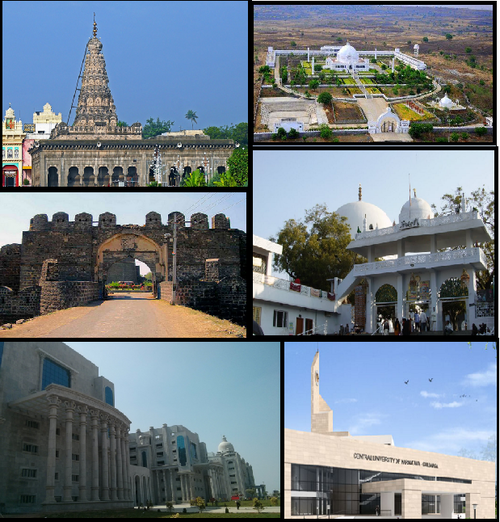
Kalaburagi, formerly known as Gulbarga, is a city located in the northeastern part of the Indian state of Karnataka. It serves as the administrative headquarters of the Kalaburagi district and holds significant cultural and historical importance. The city is situated about 623 kilometers from the state capital, Bengaluru, and is well-connected by road and rail. Kalaburagi is known for its rich heritage, which includes a blend of various architectural styles, primarily influenced by the Bahmani Sultanate and later by the Mughal Empire. The region's history dates back to ancient times, with evidence of habitation traced to various dynasties, including the Rashtrakutas and Chalukyas.
The city's landscape is marked by several historical monuments, most notably the Gulbarga Fort, which dates back to the 14th century and reflects the grandeur of the Bahmani era. Inside the fort, one can find the beautiful Jama Masjid, known for its stunning Indo-Islamic architecture. Additionally, Kalaburagi is recognized for its tombs of the famous saints of the region, such as the tomb of the Sufi saint Khwaja Bandanawaz Gesudaraz, which draws pilgrims and tourists alike. The city's economy primarily relies on agriculture, with the cultivation of crops like jowar, bajra, and cotton being prevalent. Kalaburagi is also known for its production of high-quality jaggery and a growing focus on industries and educational institutions, giving it a dual focus on tradition and modern development.
Kalaburagi experiences a hot semi-arid climate, with distinct summer and monsoon seasons. The monsoon brings much-needed rainfall that supports agricultural activities and showcases the region's vibrant green landscape. The city is gradually evolving as an educational hub, housing several colleges and universities, including the Central University of Karnataka. Cultural festivals play a vital role in the local lifestyle, with celebrations such as the annual Gulbarga Mahotsav highlighting art, literature, and local traditions. The city also fosters linguistic diversity, with Kannada, Urdu, and Hindi being widely spoken by its inhabitants. As Kalaburagi continues to progress, it remains a city rich in history and culture, positioned as a significant center in Karnataka.
Facts about Kalaburagi
- Kalaburagi, formerly known as Gulbarga, was the capital of the Bahmani Sultanate in the 14th century, making it an important historical and cultural center in South India.
- The city is famous for its grand structure, the Gulbarga Fort, which was originally built in 1347 and showcases impressive architecture with its massive walls and bastions.
- Kalaburagi is home to the renowned Khwaja Bande Nawaz Dargah, a significant pilgrimage center for Sufi followers, attracting thousands of visitors annually.
- The city has a distinct heritage of Sufi music and poetry, with many local festivals celebrating this rich tradition, which distinguishes it from other regional cultures in India.
- Kalaburagi is known for its unique contribution to Indian cuisine, especially the famous 'Gulbarga Biryani', which possesses a distinctive taste due to the use of local spices.
- The city is a notable education hub, housing institutions like the Government Engineering College and several universities, making it an important center for learning in the region.
- Kalaburagi hosts the annual Kalaburagi International Film Festival, highlighting local talent and providing a platform for films that reflect the rich cultural diversity of the area.
- The region around Kalaburagi is significant for its agricultural production, especially for crops like jowar and pulses, making it vital to Karnataka's economy.
- Kalaburagi features multiple historical Jain temples, showcasing exquisite architecture and artwork that reflects the rich Jain heritage of the area.
- The city is recognized for its textile industry, particularly in producing high-quality handloom products, which adds to its unique economic identity.