Kalamata, Greece
- 54,100 people
- 7 places to visit
- 37.0366, 22.1144
Places to Visit (7)
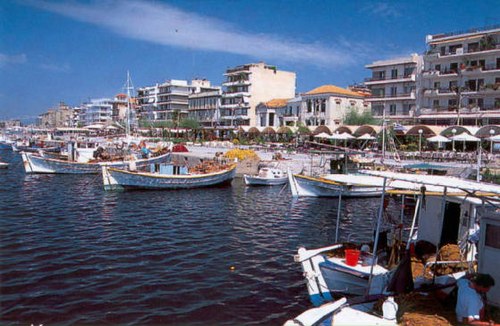
Kalamata is a picturesque city located in the Peloponnese region of Greece, renowned for its rich history, beautiful landscapes, and vibrant culture. Situated on the southwestern coast, along the Messeniain Gulf, Kalamata serves as the capital of the Messenia regional unit. The city boasts a population of approximately 70,000 residents, making it one of the larger urban centers in the region. It is particularly famous for its olives and olive oil, which are integral to both the local economy and culinary traditions. Kalamata olives, known for their distinctive taste, are a sought-after product globally, contributing to the city’s reputation as a center for agricultural excellence.
Historically, Kalamata dates back to ancient times, with archaeological evidence suggesting that the area was inhabited as early as the Neolithic period. The city is closely associated with significant historical events, including the Greek War of Independence in the early 19th century, during which it played a crucial role in the struggle against Ottoman rule. The city's notable landmarks include the 12th-century Church of Ypapantis, the imposing Kalamata Castle which offers stunning views of the city and the sea, and the vibrant central square, where locals and visitors alike gather to enjoy cafes, shops, and cultural events. Kalamata’s rich cultural heritage is celebrated through various festivals, including the Kalamata Dance Festival, which attracts artists and visitors from around the world. The city is also well-positioned as a gateway to the natural beauty of the surrounding region, featuring mountains, beaches, and the lush Messinian countryside, making it a popular destination for both history enthusiasts and nature lovers.
Facts about Kalamata
- Kalamata is famous for its olives and is known as the birthplace of the renowned Kalamata olive, which is a key ingredient in Greek cuisine.
- The city is home to the impressive Kalamata Castle, built by the Franks in the 13th century, which offers panoramic views of the Messinian Gulf.
- Kalamata was a significant center during the Greek War of Independence in the 1820s and is celebrated for hosting the first National Assembly.
- The city hosts the Kalamata Dance Festival, a prestigious international event that attracts performers and audiences from around the world.
- Kalamata is located in the Messinia region, known for its beautiful beaches and proximity to the ancient site of Messene and the archaeological site of Monte Nemea.
- The city has a vibrant weekly market (Agora) that dates back to ancient times, where locals sell fresh produce, crafts, and traditional foods.
- Kalamata is recognized for its educational institutions, including the University of the Peloponnese, which offers various programs in the arts and sciences.
- The city boasts a stunning promenade along the waterfront, featuring cafes, restaurants, and cultural activities, making it a unique spot for relaxation and socializing.
- Kalamata is the birthplace of the famous Greek composer and politician Mikis Theodorakis, who played a pivotal role in Greek music and politics.
- The Kalamata International Film Festival is an annual event that showcases independent films and fosters emerging filmmakers from Greece and abroad.