Kalisz, Poland
- 108,759 people
- 12 places to visit
- 51.7673, 18.0853
Places to Visit (12)
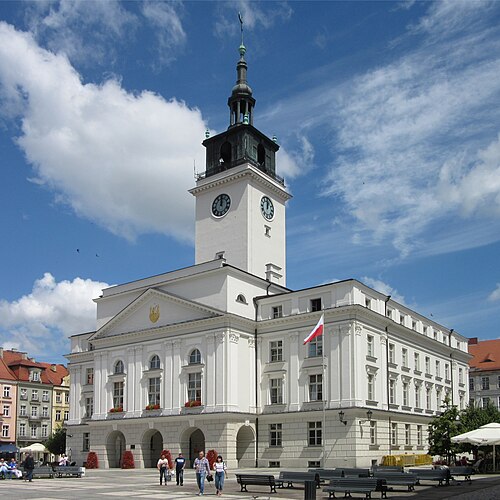
Kalisz, one of the oldest cities in Poland, is located in the western part of the country in the Greater Poland Voivodeship. It lies on the banks of the Prosna River and serves as a significant cultural and economic center for the region. The city boasts a rich history that dates back over 2,000 years, with archaeological findings suggesting that it was inhabited during the Roman Empire. Throughout the centuries, Kalisz has witnessed a variety of historical events, including periods of prosperity and decline influenced by national and regional conflicts. The city gained prominence as a trade and craft hub in the Middle Ages, further enhancing its importance in Poland's developing urban landscape.
Today, Kalisz features a blend of historical heritage and modern amenities, making it a vibrant urban center. The city's architecture showcases a mix of Gothic, Renaissance, and Baroque styles, with notable landmarks such as the Cathedral of St. Joseph, the city’s historic market square, and the remnants of the city walls that speak to its storied past. Kalisz is also known for its cultural institutions, including museums, theaters, and galleries, which contribute to a lively artistic community and host various events throughout the year. In addition to its historical significance, the city has evolved into a center for industry and commerce, with diverse sectors including textiles, food processing, and logistics. The surrounding region offers recreational opportunities, such as parks, lakes, and nature reserves, underscoring Kalisz’s appeal as a place to live and visit for both residents and tourists alike.
Facts about Kalisz
- Kalisz is one of the oldest cities in Poland, with a history that dates back over 2,000 years.
- The city is known for its significant archaeological discoveries, including remnants from the early Roman period and early Slavic settlements.
- Kalisz is often referred to as the 'Mother of Polish Cities' due to its long history and development as a cultural and commercial hub.
- The iconic Kalisz Cathedral, a baroque-style church, is notable for its well-preserved interior and historical significance as a religious center.
- Kalisz hosts the annual Kalisz Summer Festival, which showcases a variety of performances including classical music, theater, and dance.
- The city's historical marketplace, dating back to the Middle Ages, remains a central feature of Kalisz, distinguished by its unique layout and charm.
- Kalisz is recognized for its contribution to the Polish craft of pottery, especially known for traditional ceramics that reflect local culture.
- The city is home to the historic Kalisz Fortress, which played a vital role in defending the region during various conflicts.
- The famous education reformer, Janusz Korczak, had ties to Kalisz, fostering the city's connection to progressive educational ideas in Poland.
- Kalisz is located at the confluence of the Prosna and Swędrnia rivers, which adds to its picturesque landscape and historical importance as a trade route.