Kallithéa, Greece
- 100,641 people
- 7 places to visit
- 37.9557, 23.6988
Places to Visit (7)
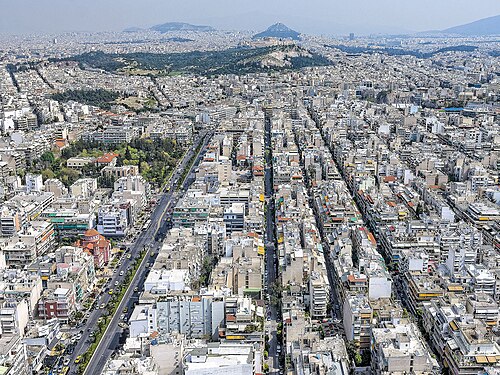
Kallithéa is a city located in the central part of Attica, Greece, just south of the capital, Athens. It is part of the Athens metropolitan area and was established as a municipality in 1934. The city's name, which translates to “beautiful view,” reflects its picturesque surroundings. Kallithéa is characterized by its densely populated neighborhoods, a mix of modern and traditional architecture, and vibrant urban life. It has a rich historical background, as it was largely developed in the early 20th century, serving as a residential area for workers and families migrating to Athens. Over the years, Kallithéa has evolved into a bustling urban center, known for its amenities including parks, shopping districts, and diverse dining options.
The city is well connected to the rest of Athens through a network of public transport options, including buses and the metro system, making it a convenient location for residents and visitors alike. Kallithéa also features several cultural attractions, such as galleries and theaters, which contribute to its lively atmosphere. Among its notable landmarks are the Kallithéa Municipal Art Gallery and the Kallithéa Cultural Center, which host various events and exhibitions throughout the year. The city's proximity to central Athens allows residents easy access to the historical sites and attractions of the capital, such as the Acropolis and Plaka.
Kallithéa's urban development is accompanied by efforts to maintain green spaces and improve quality of life. The municipality invests in parks and recreation areas, ensuring residents have access to nature within the urban landscape. One of the significant parks in the area is the “Pavlos Bakoyannis Park,” which offers greenery and facilities for outdoor activities. Overall, Kallithéa is a dynamic city that represents the essence of modern Greek urban life while retaining elements of its rich cultural heritage.
Facts about Kallithéa
- Kallithéa is located just 6 kilometers from the center of Athens, making it a significant suburb with a blend of urban and suburban characteristics.
- The name Kallithéa translates to 'beautiful view' in Greek, reflecting its picturesque landscape overlooking the Saronic Gulf.
- Kallithéa was established in 1925, making it a relatively modern addition to the greater Athens area, with a rich history influenced by both Greek and refugee populations.
- The city is known for its vibrant arts scene, hosting various cultural events and festivals that celebrate local traditions and contemporary art.
- One of the most notable landmarks in Kallithéa is the Church of Agios Nikolaos, which showcases stunning Byzantine architecture.
- Kallithéa is home to an important archaeological site, where remnants of ancient Greek civilization have been uncovered, providing insight into the region's long history.
- The city has developed a reputation for its beautiful parks and green spaces, offering a tranquil escape for residents and visitors alike.
- Kallithéa played a significant role during the Greek Civil War in the 1940s, serving as a site for many important political and social movements.
- The annual Kallithéa Festival features local music, food, and traditions, attracting visitors from across the region and promoting community spirit.
- Kallithéa has been recognized for its commitment to environmental sustainability, implementing green initiatives to improve the quality of life for its citizens.