Kalmar, Sweden
- 38,408 people
- 15 places to visit
- 56.6634, 16.3568
Places to Visit (15)
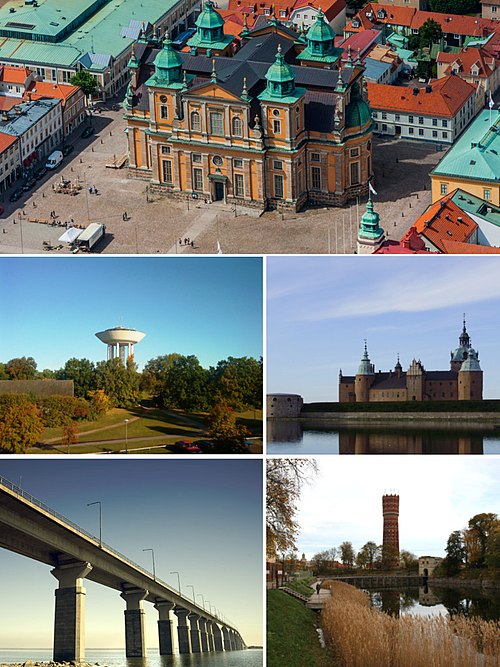
Kalmar is a picturesque coastal city in southeastern Sweden, located at the confluence of the Baltic Sea and the Kalmar Strait. It is the capital of Kalmar County and is situated approximately 150 kilometers northeast of Malmö. With a population of around 38,000 residents, Kalmar is known for its rich history, which dates back to the early medieval period. The city gained prominence in the 12th century and played a critical role in Swedish history, particularly as a strategic military and commercial hub. The historic Kalmar Castle, dating back to the late 16th century, is one of the city's most notable landmarks. This castle was not only a royal residence but also a vital stronghold that played a significant role during the Kalmar Union, which united Denmark, Norway, and Sweden in the late 14th century.
Kalmar's historical significance is matched by its vibrant cultural scene and economic activities. The city has a mix of modern industries, with a focus on shipbuilding, technology, and agriculture. Tourism also plays a significant role in the local economy; visitors are drawn to Kalmar's well-preserved architecture, quaint streets, and artistic events. The city is home to various museums, galleries, and festivals, including the annual Kalmar City Festival that attracts thousands of tourists. The proximity to the island of Öland, linked by a bridge, further enhances its appeal, offering opportunities for outdoor activities such as hiking, cycling, and bird-watching.
In addition to its cultural and historical significance, Kalmar is also a center for education and research, with institutions like Kalmar Maritime Academy and Linnaeus University offering higher education opportunities. The city is increasingly positioning itself as a hub for innovation, particularly in sustainable technologies and tourism development. The combination of its historical roots, cultural offerings, and evolving economic landscape makes Kalmar a unique and attractive destination in Sweden, embodying the country's heritage while looking forward to future growth.
Facts about Kalmar
- Kalmar is home to Kalmar Castle, one of Sweden's most significant Renaissance structures, which played a crucial role in the political history of Sweden and its neighboring countries.
- The city is famous for its annual Kalmar Stadsfest, a vibrant festival that celebrates local culture, music, and arts, attracting numerous visitors each year.
- Kalmar was a central location for the Treaty of Kalmar in 1397, which united the three kingdoms of Denmark, Norway, and Sweden under a single monarch.
- Kalmar's historic city center features well-preserved wooden houses from the 17th and 18th centuries, providing a charming glimpse into the city’s architectural history.
- The Kalmar Union, which aimed to create a series of dynastic unions among the Nordic countries, was established here, making the city a key player in Scandinavian politics during the late Middle Ages.
- Kalmar is strategically located on the east coast of Sweden and serves as a gateway to the island of Öland, known for its unique landscapes and historical sites.
- The city boasts the Kalmar Maritime Museum, which showcases the rich maritime history of the region and its importance in trade and naval defense.
- Kalmar was the site of the Battle of Kalmar in 1678, a significant conflict during the Scanian War between Sweden and Denmark.
- The city is notable for its wooden bridge, Ölandsbron, which connects Kalmar with the island of Öland, making it an important transportation link in the region.
- Kalmar is also recognized for its commitment to sustainability, having implemented various eco-friendly initiatives to promote a greener environment.