Kamaishi, Japan
- 43,107 people
- 15 places to visit
- 39.2758, 141.8857
Places to Visit (15)
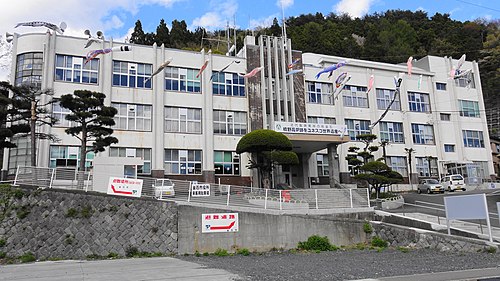
Kamaishi is a city located in Iwate Prefecture, in the Tohoku region of Japan. Situated on the northeastern coast, it is positioned along the Pacific Ocean and is known for its natural beauty and rich history. The city was established in 1889 and has a population of approximately 30,000 residents. Kamaishi's economy historically relied on the iron and steel industry due to its abundant iron ore deposits nearby. The city played a significant role in Japan's industrial development during the Meiji era, contributing to the growth of the steel production sector, which remains an important part of its economy today.
Kamaishi is not only known for its industrial heritage but also for its cultural and historical significance. The city is home to various historical sites, including temples and shrines, which reflect its long-standing traditions and cultural practices. Notably, Kamaishi is famous for its rugby culture and has produced several national players. The city gained international attention during the Rugby World Cup in 2019, when it hosted matches in a newly constructed stadium. This event helped to put Kamaishi on the global map as a vibrant city that blends sportsmanship with tradition.
Natural attractions in and around Kamaishi are abundant, with beautiful coastal scenery, mountains, and lush forests that provide opportunities for outdoor activities like hiking and fishing. The city is located near the Sanriku Fukko National Park, which showcases stunning coastlines and ecosystems. Additionally, Kamaishi has made efforts in recent years to rebuild and promote tourism following the devastating 2011 earthquake and tsunami that significantly impacted the region. Initiatives to revitalize the community focus on sustainable tourism, emphasizing the city's unique cultural identity and natural resources. In this sense, Kamaishi represents a blend of historical significance, community resilience, and natural beauty, offering an intrinsic glimpse into life in the Tohoku region of Japan.
Facts about Kamaishi
- Kamaishi is known for its historical significance as a center for the iron industry during the Meiji Era, contributing significantly to Japan's industrialization.
- The city is famous for its unique 'Kamaishi Rugby' culture, having produced several players who have competed at both national and international levels.
- Kamaishi has the world's largest tsunami memorial, the Kamaishi Recovery Memorial Stadium, built after the devastating 2011 Tōhoku earthquake and tsunami.
- The city is home to the iconic Kamaishi Daikannon, a towering 100-meter statue of Kannon, the Buddhist goddess of mercy, that attracts many visitors.
- Kamaishi is part of the Sanriku Fukko National Park, showcasing stunning coastal views and dense forests that highlight its natural beauty.
- The local cuisine includes unique seafood dishes, particularly Kamaishi's famous 'Kamaishi shirasu,' which is baby sardines served in various ways.
- Kamaishi hosted the Rugby World Cup 2019, becoming the smallest town to host a match in the tournament's history, showcasing its growing international profile.
- The city holds the annual 'Kamaishi Festival,' featuring traditional folk performances and parades that celebrate its maritime culture.
- Kamaishi is distinguished by its significant coastal geography, being surrounded by mountains and offering various water-based activities, including fishing and diving.
- The city has a strong community spirit, reflected in its reconstruction efforts post-2011, with local residents actively participating in rebuilding and revitalization projects.