Kamakura, Japan
- 172,929 people
- 19 places to visit
- 35.3192, 139.5467
Places to Visit (19)
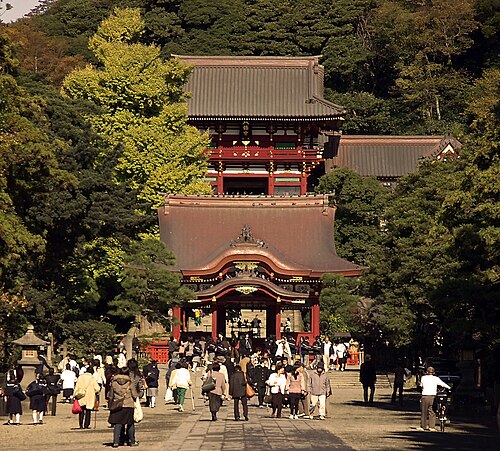
Kamakura is a historic city located in Kanagawa Prefecture, Japan, approximately 50 kilometers south of Tokyo. Established during the Kamakura period (1185-1333), the city became the political center of Japan when the Minamoto clan established the Kamakura shogunate. This era marked Kamakura's significance in Japanese history and laid the foundations for a unique culture that blended samurai and Buddhist influences. Today, the city retains much of its historical charm, featuring numerous temples, shrines, and traditional wooden houses, making it a popular destination for both domestic and international tourists.
Among Kamakura's most famous landmarks is the Great Buddha, or Daibutsu, a monumental bronze statue of Amida Buddha that stands at approximately 13.35 meters tall. Completed in 1252, it is one of Japan's most iconic symbols and draws thousands of visitors each year. The city is also home to numerous temples and shrines, such as Hase-dera, known for its beautiful gardens and impressive statue of Kannon, and Tsurugaoka Hachiman-gū, an important Shinto shrine. Beyond its historical sites, Kamakura boasts scenic coastal views and beaches, making it an attractive destination during warmer months. With its rich cultural heritage, Kamakura offers visitors a unique glimpse into Japan's past while providing a serene escape from the hustle and bustle of modern urban life.
Facts about Kamakura
- Kamakura is famous for its Great Buddha (Daibutsu), a monumental bronze statue that stands at 13.35 meters tall and dates back to 1252.
- The city served as the political center of Japan during the Kamakura period (1185-1333), marking the rise of the samurai class and the establishment of the shogunate.
- Kamakura is known for its numerous Zen temples, including Hase-dera and Kencho-ji, making it a significant site for Zen Buddhism.
- The city's coastline is part of the Sagami Bay, known for its beautiful beaches and scenic views of Mount Fuji on clear days.
- Kamakura has a unique combination of historical and cultural sites, with over 100 temples and shrines, including the famous Tsurugaoka Hachimangu Shrine.
- Unlike most cities in Japan, Kamakura features a unique blend of both traditional and modern aspects, often attracting artists and creatives seeking inspiration.
- Kamakura is also a notable hiking destination, offering trails such as the 'Kamakura Trail' which connects various temples and shrines through lush forests.
- The city is home to the annual Kamakura Matsuri, a vibrant festival celebrating the local culture with traditional performances and parades.
- Kamakura is one of the few places in Japan with a significant number of historical wooden buildings, which have been preserved and offer insight into traditional Japanese architecture.
- The Kanagawa Prefectural Museum of Modern Art, located in Kamakura, showcases both historical and contemporary art, distinguishing it from many other regions that may focus solely on ancient artifacts.