Kameyama, Japan
- 49,457 people
- 12 places to visit
- 34.8558, 136.4516
Places to Visit (12)
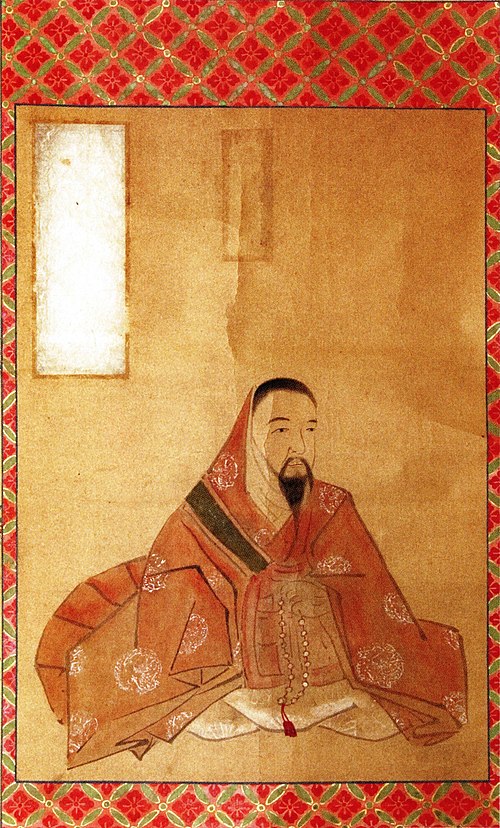
Kameyama is a city located in Mie Prefecture, Japan, situated in the Ise region of the Kansai region. It lies along the Suzuka River and is bordered by the picturesque Yokkaichi to the north and the historical town of Ise to the south. Founded on April 1, 2004, through the merger of Kameyama City and the town of Aoyama, the city is known for its rich cultural heritage and natural beauty. Kameyama features a blend of modern urban development and traditional Japanese elements, with historical sites like the Kameyama Castle ruins, which date back to the early 17th century. The city’s location along the major transport routes, including the Tōkai-Hokuriku Expressway and the Kansai Main Line, makes it a strategic point for access to other cities and attractions in the region.
The city is characterized by its mild climate and beautiful landscapes, including rolling hills and lush greenery, which contribute to outdoor activities and agricultural development. Kameyama thrives on a mix of industries, including manufacturing, agriculture, and tourism. Agriculture in the region benefits from the fertile land, producing rice, fruits, and vegetables that contribute to the local economy. The city is also known for its production of traditional crafts, including textiles. Cultural events and festivals are an essential aspect of life in Kameyama, with celebrations such as the Kameyama Yosakoi Festival drawing participants and visitors, highlighting the city's vibrant community spirit. With its combination of historical significance, natural beauty, and cultural richness, Kameyama embodies the charm of a traditional Japanese city while adapting to modern developments.
Facts about Kameyama
- Kameyama is known for the ancient Kameyama Castle, which dates back to the 16th century and played a significant role during Japan's feudal era.
- The city is famous for its unique method of producing traditional Kameyama pottery, characterized by its deep blue glaze and intricate designs.
- Kameyama is home to the Kameyama Eco-Museum, which showcases the city's commitment to environmental education and conservation.
- The city hosts the annual Kameyama Cherry Blossom Festival, attracting visitors to its picturesque parks during the blooming season each spring.
- Kameyama is situated at the intersection of two major highways, making it a strategic transportation hub in Mie Prefecture.
- The city has a rich history of textile production, particularly silk, which flourished during the Edo period and contributed to its economic development.
- Kameyama's historical district features well-preserved Edo-period buildings that offer a glimpse into the traditional lifestyle of the region.
- In Kameyama, the famous Kameyama Lake is known not only for its natural beauty but also for various recreational activities such as fishing and boating.
- Kameyama serves as a gateway to the Ise-Shima National Park, making it a popular stop for nature enthusiasts exploring the area's natural wonders.
- The city is recognized for its community events that focus on preserving local culture, including traditional music and dance festivals.