Kaminokawa, Japan
- 31,243 people
- 4 places to visit
- 36.4394, 139.91
Places to Visit (4)
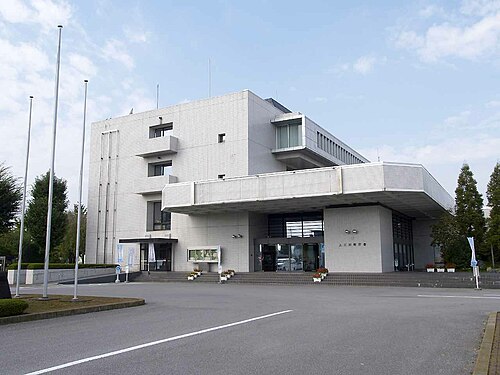
Kaminokawa is a city located in Tochigi Prefecture, Japan, known for its blend of natural beauty and historical significance. Situated about 10 kilometers northwest of Utsunomiya, the capital of Tochigi, Kaminokawa has become an appealing destination for residents and visitors alike due to its suburban lifestyle combined with access to urban amenities. As of the latest census, the city has a population of over 30,000 people who enjoy a community spirited lifestyle enhanced by its proximity to nature and agricultural landscapes.
The city is characterized by its lush surroundings, with rivers, parks, and a generally mild climate that attracts outdoor enthusiasts. The most notable natural feature is the Watarase River, which flows nearby and is popular for recreational activities such as fishing and cycling along its banks. Kaminokawa also takes pride in its agricultural products, including a variety of fruits and vegetables, which are celebrated during local festivals that showcase the region's rich agricultural heritage. Culturally, Kaminokawa features several local shrines and temples, contributing to the city’s historic ambiance. The Kaminokawa Matsuri, a traditional festival held annually, highlights local customs and draws crowds for its lively performances and showcases of art.
With its emphasis on community and culture, Kaminokawa has seen various developments aimed at enhancing the quality of life for its residents. Infrastructure improvements and urban planning initiatives have encouraged growth while maintaining the city’s charm. The city's governance focuses on sustainability, with programs designed to promote environmental conservation and community engagement. This balanced approach has made Kaminokawa an attractive place to live, work, and visit, highlighting its significance within Tochigi Prefecture and the broader tapestry of Japanese urban life.
Facts about Kaminokawa
- Kaminokawa is known for its rich historical significance, being home to the ancient Katori Shrine, which is one of the oldest shrines in Japan, dating back over 2,600 years.
- The city is located in Tochigi Prefecture and is recognized for its production of high-quality agricultural products, particularly rice, fruits, and vegetables.
- Kaminokawa has a unique local festival called 'Kaminokawa Matsuri,' which features traditional music, dance, and a parade of floats, showcasing the city's cultural heritage.
- The city's proximity to Nikko National Park, with its stunning landscapes and UNESCO World Heritage Sites, makes Kaminokawa a popular base for tourists exploring the region.
- Kaminokawa has a distinctive local dish known as 'Kaminokawa Yuba,' made from the delicate tofu skin that is a specialty of the area.
- The city promotes eco-tourism and outdoor activities, boasting beautiful hiking trails and opportunities for birdwatching, especially in the nearby wetlands.
- In Kaminokawa, there is a historical site called 'Kaminokawa Hachimangu Shrine,' which features impressive architectural elements and is dedicated to the protection of local agriculture.
- The city is home to several traditional crafts, including the production of wooden ladles and other utensils, which are popular among visitors as unique souvenirs.
- Kaminokawa celebrates the cherry blossom season with local events in the spring, drawing visitors to its parks and gardens known for their stunning cherry trees.
- The city has actively preserved its natural environment and cultural sites, making it a model for sustainable development in Japan.