Kamo, Japan
- 25,971 people
- 9 places to visit
- 37.6663, 139.0402
Places to Visit (9)
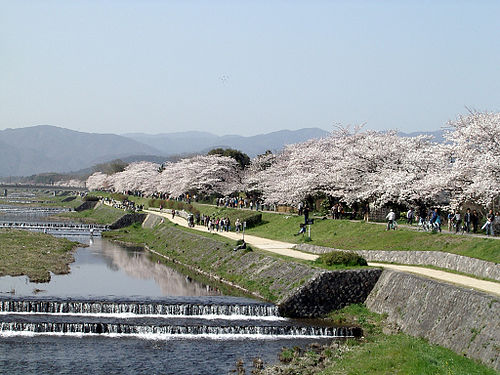
Kamo is a city located in the Niigata Prefecture on the western coast of Japan's Honshu Island. As of 2023, Kamo has a population of approximately 35,000 residents, making it a small but vibrant urban center known for its rich history and cultural heritage. The city was officially established in 2004 through the merger of several municipalities, including the former town of Kamo and parts of Yoshikawa and Kamo-gun. Kamo is situated near the border of the Echigo plane and offers scenic views of the surrounding mountains, contributing to its picturesque landscape.
Kamo's economy is primarily driven by agriculture, with rice cultivation being a significant aspect. The region is known for producing high-quality rice, including the renowned Koshihikari variety, which is celebrated across Japan. In addition to agriculture, Kamo has seen growth in light manufacturing and a small service sector. The city is also home to the Kamo City Museum, which showcases the area's unique historical artifacts and cultural heritage, including traditional crafts such as lacquerware. Furthermore, Kamo features several traditional festivals throughout the year, highlighting local customs and fostering community spirit. The annual Kamo Sake Festival is especially noteworthy, celebrating the city's rich brewing tradition, and attracting visitors from across the region.
Kamo's transportation infrastructure is supported by the East Japan Railway Company, providing convenient access to larger cities like Niigata and Kanazawa. The city also emphasizes sustainability and environmental preservation, with ongoing efforts to promote eco-friendly initiatives. Additionally, outdoor enthusiasts can find various recreational activities, including hiking and cycling along the city's scenic routes and parks. With its combination of historical significance, agricultural prowess, and a strong sense of community, Kamo remains an appealing destination for both residents and visitors alike, embodying the charm of rural Japan while embracing modern development.
Facts about Kamo
- Kamo is known for its rich historical significance as it was established as a castle town in the Edo period, with evidence of samurai heritage still present today.
- The Kamo River, which runs through the city, is known for its crystal-clear waters and has been recognized for its ecological importance, attracting nature lovers and researchers.
- Kamo is home to the famous Kamo Shrine, which is dedicated to the deity of war and has a history that dates back to ancient Japan, contributing to its cultural heritage.
- The city hosts the Kamo River Fireworks Festival, an annual event that showcases spectacular fireworks against the scenic backdrop of the river, attracting thousands of visitors each summer.
- Kamo's economy has been historically supported by agriculture, particularly rice farming, with the region being known for high-quality rice due to its fertile lands and clean water sources.
- The town features unique traditional craft techniques, especially in making Kamo lacquerware, which is highly regarded for its durability and exquisite designs.
- Kamo is famous for its annual Kamo Matsuri (Festival), which includes traditional music, dance, and parades, celebrating local culture and community spirit.
- Located near the meeting point of several rivers, Kamo is an important hub for transportation and trade, which has historically contributed to its development.
- The Kamo area is also recognized for its attractive natural scenery, including lush mountains and valleys, making it a popular spot for hiking and outdoor activities.
- Kamo has been featured in several notable literary works and has served as inspiration for artists, showcasing its cultural and scenic significance.