Kamp-Lintfort, Germany
- 39,490 people
- 9 places to visit
- 51.4958, 6.5321
Places to Visit (9)
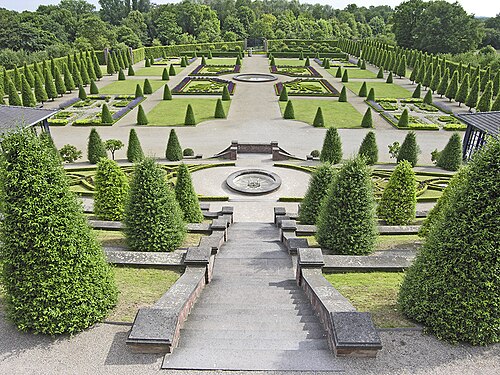
Kamp-Lintfort is a town located in the northeastern part of the state of North Rhine-Westphalia, Germany. Nestled between the larger cities of Duisburg and Moers, it is part of the Rhine-Ruhr metropolitan area, one of the most densely populated regions in Europe. The town was officially formed in 1966 through the merger of the municipalities of Kamp and Lintfort, and it has experienced significant development since then, particularly in terms of its economy and infrastructure. The local population is approximately 38,000, reflecting a diverse community that has evolved over decades, partly through the influx of residents from neighboring industrial regions.
Historically, Kamp-Lintfort is known for its coal mining heritage, which shaped its growth throughout the 19th and 20th centuries. The area's mining industry was driven by the rich coal deposits in the region, which provided jobs and economic stability for many families. Although coal mining has largely ceased in the area, Kamp-Lintfort has adapted to changing economic circumstances, shifting towards service-oriented industries and logistics. The town is well-connected by a network of roads and public transport, allowing for easy access to surrounding urban centers. In recent years, local authorities have focused on urban renewal and sustainable development initiatives, aiming to enhance the quality of life for residents while preserving the town's historical character.
Culturally, Kamp-Lintfort offers a blend of tradition and modernity. The town features several parks and green spaces, which provide recreational opportunities for residents. Among these is the popular "Halde Norddeutschland," a former mining spoil tip that has been transformed into an elevated park with panoramic views of the surrounding area. Cultural events and festivals are regularly held, highlighting the diverse heritage of the community. Notably, the town is home to the Kloster Kamp, a historic monastery dating back to the 12th century, which attracts visitors and plays a significant role in the region's cultural landscape. With its rich history, evolving economy, and commitment to sustainability, Kamp-Lintfort represents a microcosm of modern Germany, balancing the legacy of its industrial past with the aspirations for future growth and development.
Facts about Kamp-Lintfort
- Kamp-Lintfort is known for its unique combination of the towns of Kamp and Lintfort, which were merged in the 20th century, creating a diverse urban environment.
- The city has a rich mining history, particularly in coal mining, which played a significant role in its development during the industrial era.
- Kamp-Lintfort is home to the Kloster Kamp, a former Cistercian monastery founded in 1123, which is now a cultural venue and a site for various events.
- The city hosts an annual fair called the 'Kamp-Lintforter Stadtfest', which celebrates local culture, food, and community spirit with activities for all ages.
- Kamp-Lintfort features several parks and green spaces, including the main city park, which is a notable area for recreational activities and public events.
- The city's location in the Lower Rhine region provides access to scenic countryside and industrial heritage, distinguishing it from other urban areas in Germany.
- Kamp-Lintfort has a strong focus on sustainability, with initiatives aimed at promoting environmental awareness and green city planning.
- It is home to the famous 'Luitsche Berg', a local hill that provides panoramic views of the surrounding landscape and is popular among hikers.
- The city is known for its diverse cultural offerings, including various theaters, music festivals, and art exhibitions that attract regional visitors.
- Kamp-Lintfort's strategic location near the Dutch border enhances its cultural diversity and contributes to a vibrant local community.