Kampala, Uganda
- 1,353,189 people
- 18 places to visit
- 0.3152, 32.5816
Places to Visit (18)
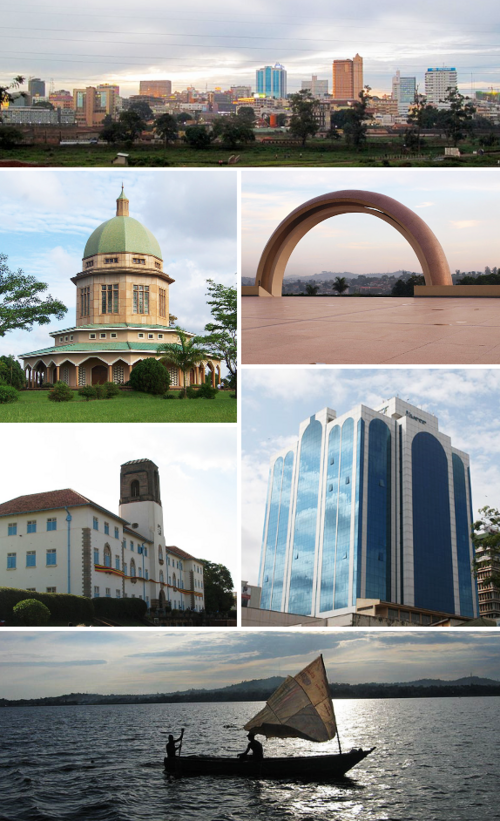
Kampala is the vibrant capital city of Uganda, located in the central part of the country near the shores of Lake Victoria. It serves as the largest city in Uganda and is the political, economic, and cultural hub of the nation. The city was originally built on seven hills, which contribute to its unique topography and scenic views. Kampala's population has seen significant growth, with estimates suggesting it houses over 1.5 million residents. The diverse population comprises various ethnic groups, making it a melting pot of languages, cultures, and traditions. Luganda, English, and Swahili are the most widely spoken languages, reflecting the city's historical and colonial influences.
The city is characterized by a mix of modern and historical architecture, with notable landmarks such as the Uganda National Mosque, the Independence Monument, and the Parliament of Uganda. Kampala's economy is driven by trade, services, and agriculture, with a growing emphasis on technology and innovation. Street markets, such as Owino Market, are bustling centers of commerce where visitors can experience the local culture and cuisine. In addition to its economic activities, Kampala is known for its nightlife and entertainment options, including restaurants, music venues, and cultural festivals that showcase Uganda's rich artistic heritage. The city's warm climate and friendly atmosphere make it an attractive destination for tourists and expatriates, who are drawn to its history, natural beauty, and hospitality. As Uganda continues to develop, Kampala remains a focal point for progress and cultural exchange in East Africa.
Facts about Kampala
- Kampala is built on seven hills, which is a unique feature that influences its landscape and urban design.
- The city is home to the Uganda Museum, the oldest museum in East Africa, showcasing the rich cultural heritage of Uganda.
- Kampala serves as the political and administrative capital of Uganda, hosting the Presidential Palace and Parliament.
- The city has a vibrant nightlife and is known for its diverse music scene, particularly in genres like Afrobeat and Ugandan pop.
- Kampala's Nakasero Hill is famous for offering panoramic views of the city, making it a popular spot for tourists and locals alike.
- Kampala is also the site of Makerere University, one of the oldest and most prestigious universities in Africa, founded in 1922.
- The city is known for its rich food culture, with local dishes like matoke and rolex (a rolled chapati with eggs and vegetables) being popular.
- Kampala's historical significance includes being the capital of the British Protectorate of Uganda from 1894 until independence in 1962.
- The city has a strong presence of trendy markets, such as the Owino Market, which is one of the largest open-air markets in East Africa.
- Kampala is a hub for international organizations and NGOs, reflecting its role in regional development and humanitarian efforts.