Kananga, DR Congo
- 1,247,168 people
- 4 places to visit
- -5.8975, 22.4172
Places to Visit (4)
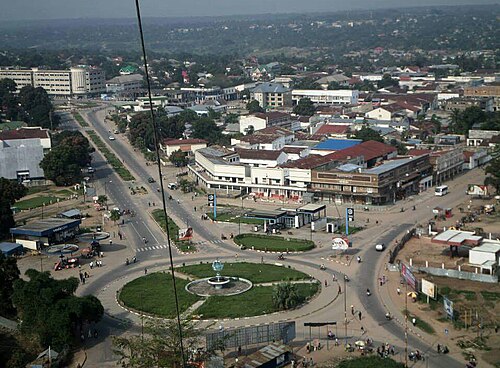
Kananga is a significant city located in the central region of the Democratic Republic of the Congo (DRC). As the capital of the Lomami Province, Kananga serves as a crucial administrative and economic hub for the surrounding areas. Positioned approximately 800 kilometers east of the capital city, Kinshasa, Kananga is situated at the confluence of the Lulua and Sankuru Rivers, enhancing its role in regional transportation and commerce. The city has a population of around 500,000 residents, primarily comprised of members from various ethnic groups, with the Luba people being the most prominent.
Historically, Kananga was known as Luluabourg, a name it held during the colonial period when it was founded by Belgian authorities in the early 20th century. Following independence in 1960, the city was renamed Kananga, reflecting its local cultural identity. The economy of Kananga is largely dependent on agriculture, with staples such as cassava, maize, and millet cultivated in the surrounding areas. Additionally, the local economy benefits from the mining of natural resources, including diamonds and gold, which are extracted from nearby regions. Despite these resources, Kananga faces several challenges, including inadequate infrastructure, limited access to healthcare, and educational services, which hinder its overall development and quality of life for residents.
In recent years, Kananga has experienced varying degrees of social and political unrest, particularly amid ongoing issues related to ethnic tensions and governance. The city has been a focal point for protests and demonstrations, with citizens advocating for better living conditions and government accountability. Nevertheless, community initiatives and international aid programs aim to improve conditions in Kananga, promoting economic development and social stability. The city's rich cultural heritage, combined with its strategic location, continues to make it an essential part of the DRC's socio-economic landscape as the country strives for progress and resilience in the face of adversity.
Facts about Kananga
- Kananga is the capital of the Kasai Central province, making it a significant administrative center in DR Congo.
- The city was originally founded as a Belgian colonial settlement in 1910 and was known as 'Lucumba' before being renamed Kananga.
- Kananga is known for its vibrant culture and is home to various ethnic groups, particularly the Luba people, who have a rich tradition of art and music.
- The city features the impressive Grand Marché (Great Market), which serves as a central hub for trade and commerce in the region, showcasing local crafts and produce.
- Kananga played a pivotal role in the political history of DR Congo, especially during the political unrest in the 1960s when it was a center for national movements.
- The city is also a crucial transportation hub, connecting several major roads and routes that link to other provinces, facilitating trade and mobility.
- Kananga is situated near the Lualaba River, enhancing its strategic importance for transportation and agriculture in the area.
- One of the notable landmarks in Kananga is the Protestant church of Kananga, which reflects the city's influence of Christianity through colonial times.
- Kananga hosts various cultural festivals throughout the year, promoting traditional dance, music, and local cuisine, distinguishing it as a cultural melting pot.
- The city has experienced significant economic growth due to its mining resources, particularly diamonds and agricultural products, contributing to its development.