Kandy, Sri Lanka
- 111,701 people
- 16 places to visit
- 7.2906, 80.6337
Places to Visit (16)
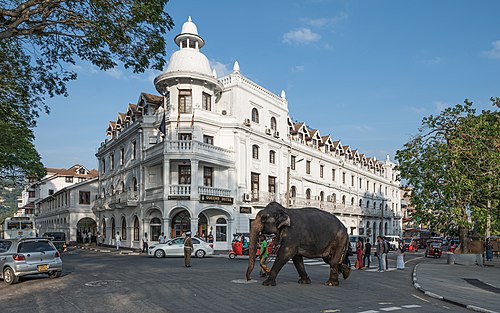
Kandy is a major city located in the central province of Sri Lanka, known for its rich history, cultural significance, and stunning natural beauty. Established as the last capital of the Sinhala kings, Kandy was officially designated as a royal seat in 1469 and served as the center of power until the British colonial takeover in 1815. The city is situated around the scenic Kandy Lake, which offers picturesque views and is an integral part of the urban landscape. Kandy's topography, characterized by lush hills and valleys, complements its tropical climate, making it a popular destination for both locals and tourists.
The city is renowned for its cultural heritage, with the Temple of the Tooth (Sri Dalada Maligawa) being its most significant landmark. This UNESCO World Heritage site houses a relic believed to be the tooth of the Buddha, making it a focal point for Buddhist pilgrims and an important site for religious observance in Sri Lanka. The annual Esala Perahera festival, celebrated in July or August, is one of the country's most grandiose cultural events, featuring a vibrant procession of dancers, musicians, and elegantly adorned elephants showcasing the rich traditions of Kandy. In addition to its historical and religious importance, Kandy serves as a center for arts, crafts, and education, housing numerous schools and institutions.
Kandy's economy is diverse, relying on tourism, agriculture, and trade. The surrounding region is famous for its tea plantations, contributing significantly to Sri Lanka’s reputation as one of the world's leading tea-exporting countries. Visitors to Kandy can explore botanical gardens, engage in traditional craft workshops, and enjoy local cuisine in bustling markets. The city has become increasingly modernized yet retains its historic charm, blending the ancient with the contemporary. Kandy, with its captivating landscapes and deep-rooted cultural significance, remains a vital part of Sri Lanka’s identity and a symbol of its historical narrative.
Facts about Kandy
- Kandy is known for being the last capital of the ancient Sinhalese kings and played a significant role in resisting colonial forces during the Portuguese and British invasions.
- The city is home to the Temple of the Tooth Relic (Sri Dalada Maligawa), which is considered one of the most sacred Buddhist sites, housing a tooth believed to belong to the Buddha.
- Kandy is situated in the central highlands of Sri Lanka, surrounded by lush green hills and picturesque lakes, making it a UNESCO World Heritage Site.
- The annual Esala Perahera festival, held in Kandy, is one of the oldest and grandest Buddhist festivals in Sri Lanka, featuring a procession with decorated elephants and traditional dancers.
- Kandy is often referred to as a cultural capital due to its rich heritage, hosting various arts and crafts, including traditional dance forms and local handicrafts.
- The city is renowned for its botanical gardens, particularly the Royal Botanical Gardens in Peradeniya, which is known for its vast collection of orchids and diverse plant species.
- Kandy's lake, built in the 19th century, adds to its charm and offers a scenic spot for leisurely walks and enjoying views of the city.
- The Kandy District is famous for its tea plantations, producing high-quality Ceylon tea, and offers visitors the opportunity to explore tea estates and learn about tea production.
- Kandy was declared a World Heritage Site by UNESCO in 1988, emphasizing its cultural significance and historical importance in Sri Lanka's history.
- It serves as a major hub for education in Sri Lanka, being home to several prominent institutions, including the University of Peradeniya, one of the oldest universities in the country.