Kanggye, North Korea
- 209,530 people
- 2 places to visit
- 40.9677, 126.5991
Places to Visit (2)
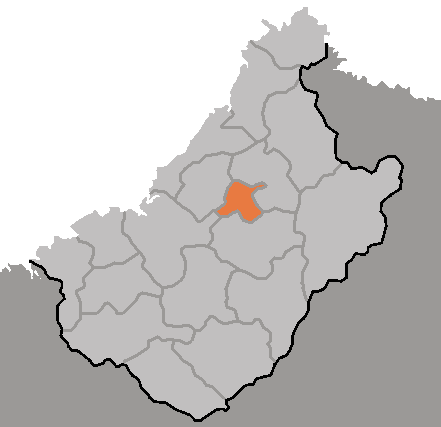
Kanggye is a city located in the Chagang province of North Korea, serving as the administrative center of the region. Nestled in the northern part of the country, Kanggye is situated near the border with China, surrounded by mountainous terrain that is characteristic of the area. The city has a population estimated to be around 100,000 residents. Its geographical position enables it to serve as a transportation hub for both domestic and cross-border trade, although the extent of international commerce has been severely restricted due to the North Korean government's policies and international sanctions. Kanggye's economy is primarily driven by agriculture, forestry, and mining, with local industries reflecting the resource-rich environment of Chagang province.
Infrastructure in Kanggye, like in many parts of North Korea, exhibits the influence of the state's focus on military and self-sufficiency. The city features essential services such as schools, hospitals, and markets, although the quality and availability of these services can vary significantly. Kanggye is also notable for its connection to North Korea's political history, being close to the site of several military installations and a few significant landmarks associated with the ruling regime. In recent years, Kanggye has been highlighted in state media for its development projects and efforts aimed at modernization, although reports of living conditions often reflect the broader economic challenges faced in North Korea. Cultural aspects of the city include traditional North Korean architecture as well as monuments dedicated to the Kim dynasty, reflecting the regime's emphasis on cultivating a narrative of loyalty and nationalism among its citizens.
Additionally, Kanggye is less known internationally compared to major cities like Pyongyang, resulting in fewer foreign visitors and a lack of detailed information on everyday life in the city. However, it remains an essential part of North Korea’s overall demographic and economic landscape. The city’s connection to the broader northwestern region of the country plays an important role in agricultural production, contributing to food supplies for the nation. Despite its challenges, Kanggye encapsulates the North Korean experience, where local identity coexists with the overarching narrative shaped by the government.
Facts about Kanggye
- Kanggye is known for being the capital of Chagang Province, one of the most mountainous regions of North Korea, which sets it apart from flatter areas of the country.
- The city has a notable history as a center for the Korean War, where it served as a strategic point during military operations.
- Kanggye hosts the Kanggye International Trade Fair, which is significant for promoting foreign trade in a country where international trade is often limited.
- The city is famous for the Kanggye Hot Springs, which are believed to have therapeutic properties, making it a popular destination for relaxation and wellness.
- Kanggye is relatively less urbanized compared to major North Korean cities like Pyongyang, offering a more rural and mountainous lifestyle.
- It is home to the Kanggye Revolutionary Site, which commemorates the area’s role in the Korean revolution, giving it a historical significance unique to the city.
- The Turquoise Lake near Kanggye is a picturesque site that attracts visitors, highlighted by its natural beauty and recreational opportunities.
- Kanggye's population is known for its strong historical ties to the Workers' Party, often receiving recognition for its loyalty to the regime.
- Unlike many other North Korean cities, Kanggye is positioned near the borders of China, which has influenced its economic activities and cultural exchanges.
- The annual Kanggye Winter Festival showcases local culture and traditions, distinguishing it from celebrations in other parts of North Korea.