Kanie, Japan
- 37,082 people
- 10 places to visit
- 35.1321, 136.7867
Places to Visit (10)
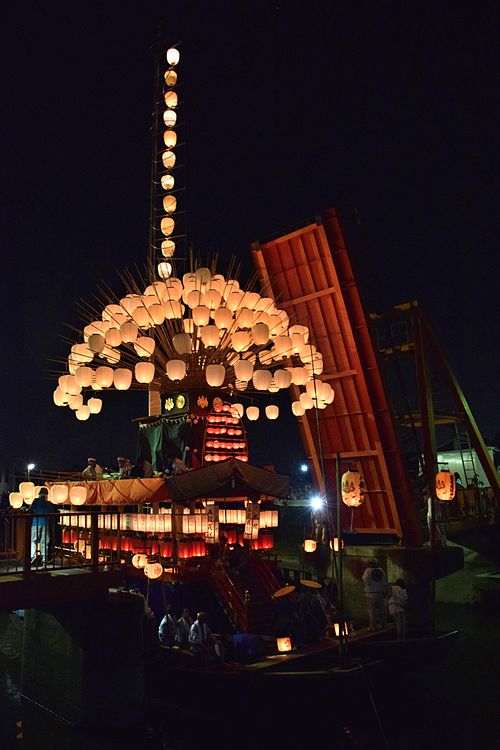
Kanie is a small town located in Aichi Prefecture, Japan, known for its rich history and agricultural significance. Situated approximately 12 kilometers northeast of Nagoya, Kanie benefits from its proximity to this major urban center while maintaining a more tranquil rural atmosphere. The town covers an area of about 11.3 square kilometers and has a population of around 18,000 residents. Kanie is governed as part of the Nagoya Metropolitan Area and plays a role in the region's economic and social framework. The town’s name translates to “river of the god,” reflecting its connection to the Kanie River that flows through the area.
Historically, Kanie has been significant since ancient times; it was once a part of the province of Owari, which played a crucial role during the Sengoku period in Japanese history. The town is known for its agricultural activities, particularly the cultivation of rice, vegetables, and fruits, contributing to its local economy. Traditional festivals, such as the Kanie Matsuri, celebrate the town's culture and heritage, featuring traditional dances, food, and processions, highlighting the local community's spirit. Kanie also hosts a number of temples and shrines, which attract visitors interested in Japan's spiritual and historical culture. The blend of its historical significance, agricultural roots, and community-focused events make Kanie a unique example of rural life in Japan.
Facts about Kanie
- Kanie is known for its historical significance in traditional Japanese crafts, particularly in the production of high-quality lacquerware.
- The city is home to the Kanie Castle ruins, which date back to the 16th century, providing a glimpse into Japan's feudal history.
- Kanie hosts the annual Kanie Fireworks Festival, which attracts thousands of visitors each year, making it one of the most popular summer events in the Aichi Prefecture.
- The city's unique location along the Yada River enhances its scenic beauty, offering picturesque landscapes that draw many visitors to the area.
- Kanie has a strong agricultural foundation, particularly in rice farming, and is known for producing delicious, locally grown rice.
- In Kanie, you can find the Kanie Town Museum, which highlights the local history and culture, showcasing artifacts and exhibits relevant to the area.
- The city actively promotes environmental sustainability and has implemented various programs aimed at preserving its natural assets and promoting eco-friendly practices.
- Kanie is recognized for its vibrant community festivals that celebrate local traditions and culture, featuring parades, traditional performances, and food stalls.
- With a commitment to education and community involvement, Kanie has been praised for its programs aimed at fostering youth engagement and creativity.
- The city also enjoys a connection to historical figures, being the birthplace of several renowned scholars and artists who have contributed significantly to Japanese culture.