Kankan, Guinea
- 221,428 people
- 3 places to visit
- 10.3828, -9.3118
Places to Visit (3)
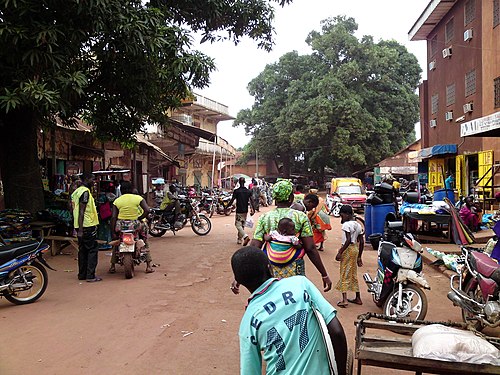
Kankan is the second-largest city in Guinea, located in the eastern part of the country, approximately 600 kilometers from the capital, Conakry. Nestled along the Milo River, Kankan serves as the capital of the Kankan Region. The city is known for its vibrant cultural heritage and diverse population, consisting primarily of the Mandinka people, but also home to various ethnic groups such as the Fulani and the Kissi. Kankan has established itself as a significant economic and educational center, with a number of markets and trades that reflect the richness of Guinean commerce, particularly in agriculture and artisanal crafts.
The city boasts notable institutions, including the University of Kankan, which contributes to the educational landscape of Guinea by offering a range of academic programs. The region is also recognized for its historical significance as a former center of the Mandinka Empire, which influenced the social and political structures in West Africa. Kankan's cultural scene is vibrant, featuring traditional music, dance, and festivals that attract visitors and highlight the region's rich history. The local economy largely depends on agriculture, with rice and cassava being among the primary crops cultivated. In recent years, Kankan has faced challenges such as urbanization and infrastructure development, but continues to maintain its importance as a central hub for trade, culture, and education in Guinea.
Facts about Kankan
- Kankan is the third-largest city in Guinea and serves as the capital of the Kankan Region.
- The city is known for its vibrant cultural heritage, particularly the Mandingue culture, which is central to its identity.
- Kankan hosts the annual Kankan Festival of Arts and Culture, which showcases local music, dance, and crafts.
- The city is home to the Kankan Great Mosque, one of the largest mosques in the country, built in the 19th century.
- Kankan has a rich history as a center for trade and education during the Mali Empire, influencing the region significantly.
- The city is strategically located near the borders of Mali and Côte d'Ivoire, making it an important commercial hub.
- Kankan is known for its agricultural activities, particularly the cultivation of rice, millet, and yams, contributing to the local economy.
- Kankan's inhabitants predominantly speak the Malinke language, reflecting its historical roots in the Mandingue civilization.
- The city played a significant role in the fight for Guinea's independence, with notable leaders emerging from the region.
- Kankan is often referred to as the 'Cultural Capital' of Guinea due to its artistic contributions and historical significance.