Kara, Togo
- 104,207 people
- 2 places to visit
- 9.5486, 1.1977
Places to Visit (2)
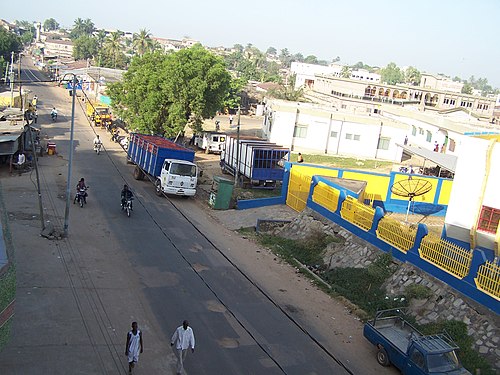
Kara is a city located in the northern region of Togo, serving as the capital of the Kara Region. Situated approximately 400 kilometers from the capital city of Lomé, Kara plays a central role in the socio-economic and cultural landscape of northern Togo. With a population of around 100,000 residents, it is one of the country's larger urban centers, known for its geographic diversity, including hills and valleys that contribute to its scenic beauty. The city is a hub for trade, agriculture, and education, featuring vibrant markets and a variety of local businesses.
Kara is characterized by its rich cultural heritage, influenced by the diverse ethnic groups that inhabit the region, primarily the Tem people and other ethnic communities. This diversity is reflected in the city's festivals, music, and traditional art forms. The annual "Fête de la Téranga," or the Festival of Hospitality, showcases the region's culture through music, dance, and culinary exhibitions, attracting visitors and locals alike. The city is also home to several educational institutions, including secondary schools and vocational training centers, which play a crucial role in community development and youth empowerment.
Economically, Kara benefits from its agricultural surroundings, with crops such as maize, cassava, and yams predominating the local economy. The city acts as a commercial center for nearby agricultural production, with market days drawing farmers and traders from surrounding villages to exchange goods. Furthermore, Kara's strategic location makes it a significant transport hub, connecting northern Togo with the southern regions, facilitating movement for people and goods. Despite facing challenges such as infrastructural development and access to services, Kara continues to grow and adapt, holding potential for future development and modernization in Togo.
Facts about Kara
- Kara is known for its unique location in the northern part of Togo, distinguishing it from the coastal cities like Lomé and the central towns.
- The city serves as a cultural hub for the Tem people, allowing visitors to experience the traditional customs and festivals that are distinct to this ethnic group.
- Kara hosts the Koutammakou, a UNESCO World Heritage site, recognized for its unique traditional architecture and the Batammariba culture.
- The weekly market in Kara is one of the largest in northern Togo, attracting traders and buyers from various regions, making it a vibrant commercial center.
- Kara is situated near the famous Mount Kloto, which provides opportunities for hiking and breathtaking views of the surrounding landscape.
- The city has a significant history, being a center for the political and economic power during the time of the Tem Kingdom.
- Kara is notable for its lush agricultural landscape, which includes fields of cotton, yams, and maize, contributing to Togo’s economy as an important agricultural center.
- The city is famous for its music scene, particularly for its unique blend of traditional Togolese music and modern influences.
- Kara is home to several important festivals, including the Tem Festival, which showcases local culture, dance, and food.
- Unlike other towns in Togo, Kara is known for its mixed population of both ethnic groups that embrace their unique traditions and the inter-ethnic harmony that is prevalent.