Karbala, Iraq
- 1,218,732 people
- 5 places to visit
- 32.6027, 44.0197
Places to Visit (5)
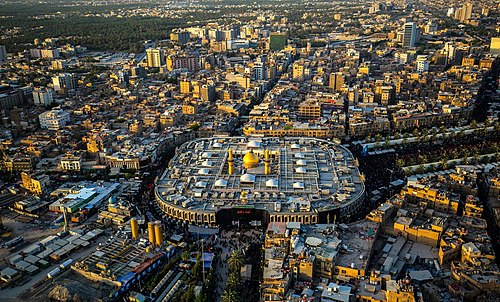
Karbala is a city located in central Iraq, approximately 100 kilometers southwest of Baghdad. It is one of the most significant cities in the country, primarily due to its religious importance for Shia Muslims. The city is renowned for the Battle of Karbala, which took place in 680 AD. This pivotal event resulted in the martyrdom of Imam Hussein, the grandson of the Prophet Muhammad, and his followers, who were killed while resisting the Umayyad caliph Yazid I. The battle is a defining moment in Islamic history, particularly for Shia Muslims, as it symbolizes the struggle against tyranny and injustice. Every year, millions of pilgrims visit Karbala, especially during the holy day of Ashura, to commemorate the sacrifices made by Imam Hussein and to participate in mourning rituals that include processions, prayers, and recitations.
The city is home to several important religious sites, the most notable being the Imam Hussein Shrine and the Abbasid Shrine. The Imam Hussein Shrine, a beautifully adorned structure, houses the tomb of Imam Hussein and attracts devotees from around the world. The shrine is characterized by its golden dome and intricate tile work, making it a focal point of Shia pilgrimage. The Abbasid Shrine, dedicated to Abbas ibn Ali, the half-brother of Imam Hussein, is another significant site where followers pay homage. Apart from its religious significance, Karbala also serves as a cultural melting pot, reflecting a blend of historical influences spanning thousands of years. The local economy thrives on religious tourism, with various hospitality services growing to accommodate the heavy influx of visitors.
Despite its rich cultural heritage and historical significance, Karbala has faced challenges, particularly due to regional conflicts and instability in Iraq. However, the city's resilience is evident in its enduring traditions and the unwavering faith of its people. In recent years, efforts to promote peace and stability have aimed to enhance Karbala’s status as a center for religious tourism and cultural exchange. The city not only embodies the spirit of sacrifice and resistance but also represents a vital part of Iraq's identity, where the legacies of the past continue to shape the present and future of its residents.
Facts about Karbala
- Karbala is best known for the Battle of Karbala, which took place in 680 AD and marked a key event in Islamic history, particularly for Shia Muslims.
- The city is home to the Imam Hussein Shrine, an important pilgrimage site for millions of Shia Muslims around the world, commemorating the martyrdom of Imam Hussein.
- Karbala is located about 100 kilometers southwest of Baghdad, making it a significant religious and cultural center within Iraq.
- The city's atmosphere is deeply influenced by its annual observances of Ashura, which commemorates the martyrdom of Imam Hussein, attracting large crowds for mourning rituals.
- Karbala is known for its rich traditions of poetry and literature, especially works that focus on the themes of valor and sacrifice related to the Battle of Karbala.
- Unlike many other cities in Iraq, Karbala has a unique social fabric characterized by a high concentration of Shia Muslims, influencing its local customs and governance.
- The architecture of Karbala features ornate designs and domes, particularly visible in the Imam Hussein Mosque and the Abbas Mosque, setting it apart from other Iraqi cities.
- Karbala is recognized for its historical significance during pivotal moments in Islamic history, including the establishment of Shia Islam as a distinct tradition.
- The city's economy is largely supported by religious tourism, with millions visiting annually, creating a vibrant local marketplace that caters to pilgrims.
- Karbala has been a focal point for various cultural and humanitarian events, including the development of peace initiatives and interfaith dialogues in the region.