Karcag, Hungary
- 22,370 people
- 13 places to visit
- 47.3149, 20.9196
Places to Visit (13)
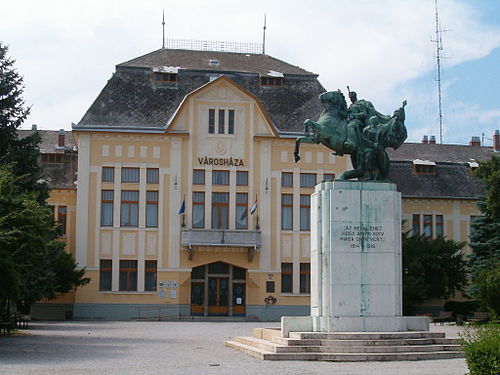
Karcag is a town located in the Jász-Nagykun-Szolnok county of Hungary, positioned approximately 200 kilometers east of Budapest. Known for its agricultural significance, Karcag lies within the Great Hungarian Plain, an area characterized by fertile soil and extensive farmlands. This geographical advantage has made the town a center for farming and agricultural production, where crops such as wheat, corn, and various vegetables are cultivated. The town's economy is heavily reliant on agriculture, which has shaped its cultural and social fabric over the years.
Karcag has a rich history that dates back to the early Middle Ages. The town is notable for its traditional Magyar architecture and historical landmarks, which include the Reformed Church, built in the 18th century, and various other structures that reflect the local heritage. The population of Karcag has traditionally been predominantly Hungarian, with a mixture of Slovak and Romani communities contributing to its cultural diversity. The town is known for its festivals, particularly those that celebrate local crafts and agricultural achievements, drawing visitors from surrounding areas. In addition to agriculture, Karcag is also known for its notable contribution to Hungarian Ethnography, with various museums and collections that showcase the local culture, including folk art and traditional crafts.
In modern times, Karcag has been developing its infrastructure and services to cater to the needs of its residents and visitors alike, aiming to balance its agricultural roots with contemporary demands. The town is well-connected through road networks and public transportation, facilitating easy access to nearby cities and regions. Educational institutions, healthcare facilities, and local businesses also contribute to the quality of life in Karcag, making it a vibrant community despite its relatively small size. As Hungary continues to evolve, Karcag reflects both the historical legacy and contemporary aspirations of regional towns within the country, maintaining its cultural heritage while adapting to modern challenges.
Facts about Karcag
- Karcag is known for its unique blend of history and modernity, featuring traditional Hungarian architecture alongside contemporary buildings.
- The town is famous for its horse breeding, particularly the 'Karcagi' breed, which is a distinctive Hungarian horse known for its strength and agility.
- Karcag has a significant place in Hungarian literary history, being the birthplace of notable poet Sándor Petőfi’s mother.
- The town hosts the annual Karcag Horse Show, which attracts equestrian enthusiasts and showcases local breeds and riding skills.
- Karcag is home to the remarkable Great Church of Karcag, a Baroque-style structure that is one of the largest churches in the region.
- The town has a unique geothermal spa, which is popular for both locals and visitors looking for therapeutic treatments.
- Karcag served as an important military site during the Austro-Hungarian Empire, showcasing its strategic significance throughout history.
- The town is distinguished by its traditional Hungarian folk art, particularly elaborate embroidery and pottery that reflect local culture.
- Karcag is recognized for its vibrant cultural events, including the Karcag Carnival, which features colorful parades and traditional performances.
- The city has developed a reputation as a center for education, with notable institutions offering specialized courses in agriculture and equestrian studies.