Karlovac, Croatia
- 41,869 people
- 10 places to visit
- 45.4929, 15.5553
Places to Visit (10)
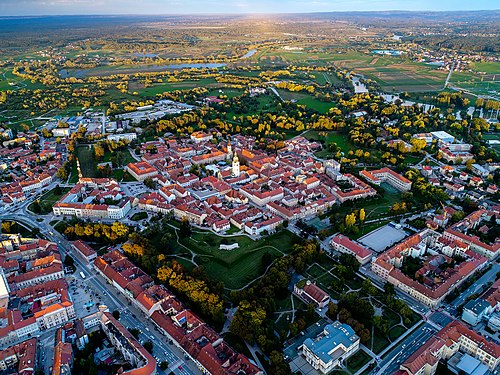
Karlovac is a city located in central Croatia, known for its unique star-shaped fortifications and picturesque rivers. Founded in the 16th century, the city was originally established as a defense against Ottoman invasions. Its layout features a prominent star-shaped fortress, the Karlovac Fortress, built between 1579 and 1611. This design not only served military purposes but also aimed to accommodate the residents with streets radiating out from the central fort. The city's strategic position at the confluence of the Kupa, Korana, Mrežnica, and Dobra rivers made it an important transportation and trade hub in the region.
Today, Karlovac is recognized for its natural beauty, characterized by abundant parks and green spaces, which have led to its nickname as the "City of Parks." The city's rivers provide opportunities for recreational activities such as canoeing, rowing, and fishing. Karlovac is also home to various cultural institutions, including museums, galleries, and theaters, reflecting its rich history and vibrant artistic scene. The city's annual events, such as the Karlovac Beer Festival and cultural manifestations, celebrate local traditions while attracting visitors from across Croatia and beyond. With a population of around 55,000 residents, Karlovac continues to thrive as an important urban center, blending its historical significance with modern life.
Facts about Karlovac
- Karlovac is known as the 'City of Four Rivers' because it is located at the confluence of the Korana, Kupa, Mrežnica, and Dobra rivers.
- The city was founded in the 16th century as a fortress during the Ottoman Wars and its unique star-shaped layout is a rare example of defensive architecture.
- Karlovac is home to the only preserved wooden water tower in Croatia, which was built in 1888 and is a symbol of the city.
- The city hosts the annual 'Karlovac Beer Festival,' one of the largest beer festivals in Croatia, celebrating local breweries and the beer culture.
- Karlovac has a rich history of education and is home to the Karlovac University of Applied Sciences, contributing to higher education in the region.
- The city is renowned for its beautiful parks and green spaces, including the Karlovac Park and various riverfront promenades.
- Karlovac is notable for its cultural events, including the Karlovac Summer, a festival celebrating arts and music featuring local and international artists.
- The city features several historical landmarks, such as the Frankopan Castle and the Holy Trinity Church, which showcase its diverse architectural heritage.
- Karlovac is famous for its wooden barque ship, named the 'Alida,' built in 1910 and used for local tourism and sightseeing on the rivers.
- The city is strategically located, making it a transport hub between Zagreb and other major Croatian destinations, facilitating the movement of people and goods.