Karlskoga, Sweden
- 27,490 people
- 11 places to visit
- 59.3286, 14.5364
Places to Visit (11)
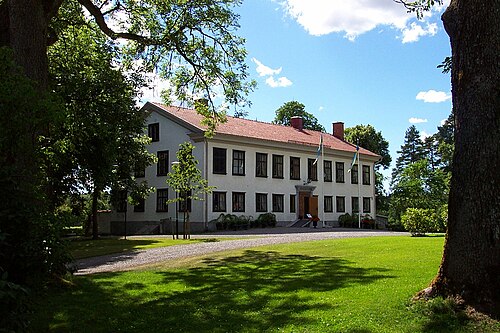
Karlskoga is a locality and the seat of Karlskoga Municipality in Örebro County, Sweden. Located approximately 30 kilometers west of Örebro, the city has a rich industrial history and is best known for its association with the manufacturing of arms and ammunition. Karlskoga's industrial roots can be traced back to the late 17th century, when it began as a center for ironworking. The city gained prominence in the 19th century with the establishment of the Nobel company by Alfred Nobel in 1894, which became a key player in the explosives industry. This historical connection to Nobel also led to the founding of the Karlskoga Folk High School in 1876, which later evolved into a center of education and culture in the region.
In addition to its industrial background, Karlskoga is noted for its commitment to education and innovation. The city is home to various educational institutions, including the Karlskoga Academy, which provides courses in engineering and technology. The municipality has a population of around 30,000 residents, making it a vibrant community that balances its industrial heritage with modern living. Local amenities include parks, recreational areas, and a community-centered approach to governance, which fosters a sense of belonging among its inhabitants. The surrounding natural landscape, characterized by forests and lakes, offers residents and visitors alike opportunities for outdoor activities such as hiking, boating, and fishing, contributing to the city's appeal as a destination for both living and tourism.
Karlskoga's cultural offerings include annual events, festivals, and local traditions that enhance the community spirit. The city hosts a variety of sports clubs and facilities, encouraging an active lifestyle for its residents. Furthermore, Karlskoga's strategic location allows for efficient transportation connections to other Swedish cities, making it an attractive place for businesses and residents seeking a blend of urban and rural life. Overall, Karlskoga presents a unique blend of historical significance, industrial prowess, and cultural richness, making it a noteworthy city within Sweden's diverse landscape.
Facts about Karlskoga
- Karlskoga is known as the birthplace of the successful Swedish author Alfred Nobel, the inventor of dynamite and founder of the Nobel Prizes.
- The city has a rich industrial history, particularly in the manufacturing of military and engineering products, with Bofors being one of its most famous companies.
- Karlskoga hosts the annual Nobel Prize-inspired event called 'Nobel Week,' which focuses on science and education.
- Unlike many Swedish cities, Karlskoga has a well-preserved collection of historical buildings from the 18th and 19th centuries, showcasing its architectural heritage.
- The city is surrounded by scenic forests and lakes, making it a popular destination for outdoor activities such as hiking, fishing, and skiing.
- Karlskoga's cultural scene includes the large annual music festival known as 'Karlskoga Musikfestival,' featuring a variety of musical genres and artists.
- An interesting geological feature in Karlskoga is the Bofors Rock, a popular site for rock climbing and geocaching enthusiasts.
- Karlskoga has a tourist attraction called the Nobel Museum, which highlights Alfred Nobel's life and contributions to science and peace.
- The city is home to several sports teams, most notably the Karlskoga Bandy Club, which has a strong history in Swedish bandy.
- Karlskoga is strategically located along the E18 highway, making it a significant transit point between Swedish urban centers like Örebro and Karlstad.