Karnāl, India
- 225,049 people
- 14 places to visit
- 29.6857, 76.9905
Places to Visit (14)
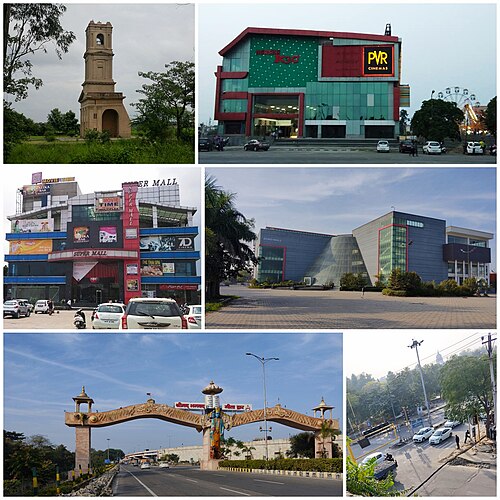
Karnāl is a prominent city located in the Indian state of Haryana, situated approximately 125 kilometers north of the national capital, New Delhi. It serves as the administrative headquarters of the Karnāl district and is well-connected by road and rail, making it an important transit point for travelers and traders. Historically, Karnāl is significant as it is believed to be the site of historical battles and has connections to various ancient texts, including the Mahabharata. The city has remained a center of trade and agriculture, often referred to as the "Rice Bowl of Haryana" due to its rich paddy fields and agricultural productivity.
The city of Karnāl features a mix of modern development and historical significance. It has a variety of educational institutions, medical facilities, and infrastructure that support its growing population. One of its notable landmarks is the Karnāl Fort, built during the reign of Shah Jahan, which showcases Mughal architecture and attracts both locals and tourists. The city is also known for its bustling markets and the presence of numerous religious sites, including temples and Gurdwaras, reflecting the diverse cultural fabric of the region. Festivals celebrated here, like Diwali and Lohri, bring together people from various backgrounds, promoting a sense of community.
In recent years, Karnāl has seen rapid industrialization and development, with a focus on establishing itself as an economic hub in Haryana. The establishment of the Karnāl Technology Park aims to drive investment in technology-focused industries, fostering innovation and job creation. The local government is also working on enhancing the city's infrastructure, including transportation networks and public services, to support its growing urban population. In summary, Karnāl is a city characterized by its rich historical heritage, agricultural prowess, and emerging economic opportunities, making it an important part of Haryana's landscape.
Facts about Karnāl
- Karnāl is known for its historical significance, as it is believed to have been founded by Maharaja Karan, a character from the Indian epic Mahabharata.
- The city houses the famous Karan Khera, an ancient historical site believed to be associated with the legend of the Kauravas and Pandavas.
- Karnāl is located on the Grand Trunk Road, one of Asia's oldest and longest major roads, which historically facilitated trade and travel between India and Central Asia.
- The city is known for the Karnāl Fort, which dates back to the 18th century and is a prominent example of Mughal architecture in the region.
- Karnāl is famous for its agricultural contributions, particularly its production of high-quality basmati rice, earning it the nickname 'Basmati Rice Capital of India.'
- The city is the birthplace of the renowned Punjabi poet and revolutionary Bhai Vir Singh, who played a significant role in the Punjabi literary renaissance.
- Karnāl is home to the Haryana Agriculture University, a leading institution for agricultural research and education in India.
- The Sita Kalyan Mandir, located in Karnāl, is known for its unique architecture and is an important religious site for worshippers of Hinduism.
- Karnāl is recognized for the annual Karnāl Literature Festival, which promotes literature, art, and culture, attracting writers and artists from across the country.
- The city is strategically located between Delhi and Chandigarh, making it an important commercial and transport hub in North India.