Karur, India
- 234,191 people
- 5 places to visit
- 10.9601, 78.0766
Places to Visit (5)
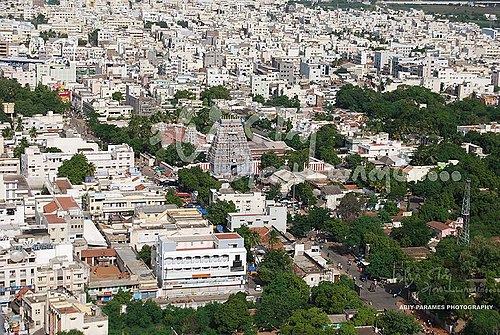
Karur is a prominent city located in the Indian state of Tamil Nadu. Positioned in the southern part of the country, it serves as the administrative headquarters of the Karur district. The city is situated along the banks of the Amaravati River, approximately 250 kilometers southwest of the state capital Chennai. Historically, Karur has been recognized for its strategic location along trade routes and its vibrant commercial activities. The city's economy is primarily based on textiles, agriculture, and a variety of small industries. Karur is especially renowned for its handloom and power-loom textile production, with a focus on producing high-quality woven fabrics that are exported nationally and internationally.
The cultural heritage of Karur is reflected in its ancient temples and historical landmarks, showcasing a mix of architectural styles influenced by different dynasties that ruled the region, including the Cholas, Pandyas, and Nayaks. One of the notable temples is the Karur Thayanban Temple, which attracts numerous devotees and tourists alike. Karur is also recognized for the nearby karur rock paintings, indicative of prehistoric human settlements in the area. The city's educational infrastructure is growing, with several schools and colleges that cater to the needs of the local population, fostering a conducive environment for learning.
Agriculture plays a significant role in the economy of Karur, with the region's fertile soil supporting the cultivation of crops such as cotton, maize, and turmeric. The city is strategically located near major transportation routes, including railway and highway networks, facilitating trade and movement of goods. Over recent years, Karur has experienced significant industrial growth, with an emphasis on developing infrastructure to support its emerging status as a business hub in Tamil Nadu. The blend of rich cultural heritage, economic activities, and modernization makes Karur a unique city within the state, offering both historical significance and contemporary relevance in today’s India.
Facts about Karur
- Karur is known for its rich textile industry, particularly for producing high-quality cotton fabrics and handloom products, making it a hub for textile trade in South India.
- The city has a unique heritage of ancient temples, including the famous Kasthuri Velappa Swamy Temple and the ancient Dhenupureeswarar Temple, reflecting Dravidian architecture.
- Karur is located at the confluence of the Amaravathi River and the Kaveri River, which has historically provided fertile land and has been crucial for agriculture in the region.
- The city is renowned for its paper industry, with several mill units producing eco-friendly paper products, contributing significantly to employment and local economy.
- Karur is home to some of the oldest rock-cut caves in Tamil Nadu, including those at the nearby locality of Pugalur, exemplifying historical significance and archaeological interest.
- The annual Karur Chithirai Thiruvizha, a local festival, attracts visitors and showcases Karur's cultural heritage through various traditional dances and rituals.
- Karur's geographic location makes it a vital transportation hub, connecting major cities like Coimbatore and Madurai, which is essential for logistics and trade.
- The city has a thriving granite industry and is known for high-quality granite stones that are exported worldwide, distinguishing it economically.
- Karur was historically significant as a trading post in ancient times, facilitating commerce between various regions and cultures across southern India.
- The Karur district is a green belt area, with agriculture playing a key role, particularly in the cultivation of crops like bananas, turmeric, and cotton.