Kasaoka, Japan
- 50,160 people
- 13 places to visit
- 34.5072, 133.5074
Places to Visit (13)
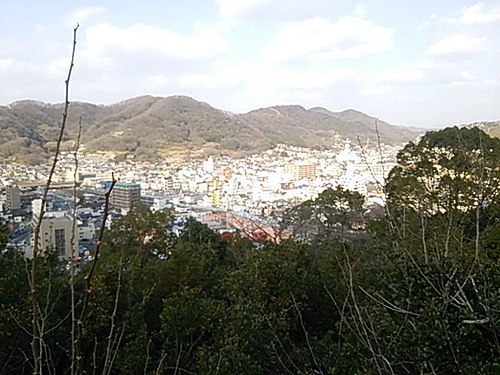
Kasaoka is a city located in Okayama Prefecture, Japan, situated on the eastern coast of Seto Inland Sea. The city is known for its rich history, vibrant culture, and scenic landscapes. Founded on April 1, 1954, Kasaoka has grown from a small fishing village into a bustling community with a population of approximately 38,000 residents. The city is characterized by its combination of urban development and natural beauty, with picturesque views of the surrounding mountains and waterways.
Kasaoka has a thriving economy primarily centered around agriculture and aquaculture, with significant contributions from the fishing industry. The region is famous for producing high-quality pears and grapes, which are popular throughout Japan. Kasaoka also hosts various local festivals and events that highlight its cultural heritage, including the Kasaoka Festival, which features traditional music, dance, and food. Notably, the city is often associated with the Kasaoka Wall, a historical structure from the Edo period that showcases the area's architectural significance.
In addition to its agricultural and historical relevance, Kasaoka serves as a gateway to Kasaoka Bay and the nearby islands, including the well-known Naoshima, celebrated for its contemporary art installations and museums. The city's location makes it an attractive destination for both tourists and locals seeking outdoor activities such as hiking, sailing, and exploring the natural beauty of the Seto Inland Sea region. With its unique blend of history, culture, and natural attractions, Kasaoka continues to charm visitors while maintaining its traditional Japanese identity.
Facts about Kasaoka
- Kasaoka is known for its unique and historic Kasaoka Shima (Kasaoka Islands), which are famous for their scenic beauty and biodiversity.
- The city has a rich history in salt production, dating back to the Edo period, making it one of the key centers for traditional salt-making in Japan.
- Kasaoka is home to the Kasaoka Pear Festival, an annual event celebrating the local production of Kasaoka pears, a popular fruit in the region.
- The city has a distinctive artwork and cultural scene, highlighted by the Kasaoka Art & Culture Center, which hosts exhibitions and performances.
- Kasaoka's coastal location on the Seto Inland Sea provides stunning seascapes, unlike many inland cities in Japan.
- The area is historically significant for its role in the maritime trade routes during the Sengoku period, contributing to its rich heritage.
- Kasaoka has a unique culinary identity, particularly known for its seafood, such as fugu (pufferfish), and its local sake brewing.
- The Kasaoka Theater offers a distinct glimpse into regional performing arts, hosting local plays and performances not commonly found in larger cities.
- Kasaoka features a subtropical climate, making it warmer and more temperate than many northern parts of Japan, which influences its agriculture.
- The city is famous for the Kasaoka Sightseeing Boat, which offers tours around the islands and is a popular attraction for both locals and tourists.