Kashgar, China
- 506,640 people
- 7 places to visit
- 39.4704, 75.9898
Places to Visit (7)
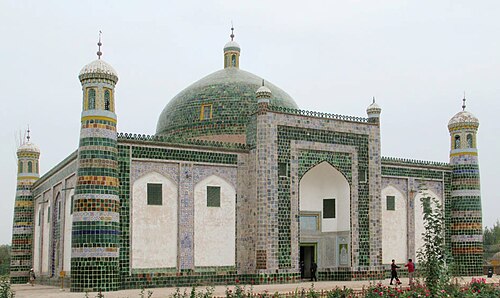
Kashgar, located in the Xinjiang Uygur Autonomous Region of China, is a city of significant historical and cultural importance. Nestled at the crossroads of the ancient Silk Road, it has long served as a vital trade hub connecting Central Asia with the rest of China. Its strategic position has been influential since at least the Han Dynasty (206 BCE – 220 CE), as merchants traversed the high mountain passes of the Tian Shan and the inhospitable Taklamakan Desert. Today, Kashgar retains much of its historical allure, with a unique blend of Uygur, Han Chinese, and various Central Asian influences shaping its cultural landscape.
The city is famous for its vibrant bazaars, particularly the Sunday Market, which is one of the largest in Central Asia and a focal point for trade and social interaction. Visitors can find an array of goods, including spices, textiles, and handicrafts, reflecting the diverse cultures that have intermingled in the region. The architecture of Kashgar also reflects its rich history, with the Old City showcasing narrow alleys and traditional mud-brick houses that date back centuries. The Id Kah Mosque, the largest mosque in China, stands as a testament to the area's Islamic heritage and is a central gathering place for the local Uygur community.
In recent years, Kashgar has experienced rapid changes driven by modernization and government policies aimed at economic development. Significant investments have gone into infrastructure, including improved transportation networks like the Kashgar–Hotan Railway and the development of industrial parks. However, these changes have also led to concerns regarding cultural preservation and the impact of government-sanctioned policies on ethnic minorities, particularly the Uygurs. Despite these challenges, Kashgar remains a symbol of cultural richness and resilience, drawing tourists and scholars interested in its unique blend of history, culture, and contemporary issues.
Facts about Kashgar
- Kashgar is one of the oldest continuously inhabited cities in the world, with a history that dates back over 2,000 years.
- The city is located on the ancient Silk Road, making it a significant cultural and commercial hub connecting China with Central Asia and beyond.
- Kashgar features unique Uyghur architecture, including the famous Id Kah Mosque, which is the largest mosque in China.
- The city serves as a melting pot of various cultures, primarily influenced by the Uyghur, Han Chinese, and other ethnic groups living in the region.
- Kashgar's Sunday Bazaar is one of the largest traditional markets in Central Asia, attracting visitors with its vibrant atmosphere and diverse goods.
- The city is situated at the foothills of the Pamir Mountains, providing stunning natural scenery and opportunities for outdoor activities.
- Kashgar has a significant number of historical sites, including the ancient city ruins of the Old Town, which is known for its narrow alleyways and traditional handicrafts.
- The region around Kashgar is rich in mineral resources, contributing to its strategic importance for China's energy and infrastructure projects.
- Kashgar's unique geographic location lies at the intersection of several major cultural and historical trade routes, further enhancing its significance in regional history.
- The city is home to diverse ethnic festivals and cultural events, including the Uyghur Meshrep, which highlights local music, dance, and storytelling traditions.