Kashihara-shi, Japan
- 124,521 people
- 9 places to visit
- 34.5095, 135.7926
Places to Visit (9)
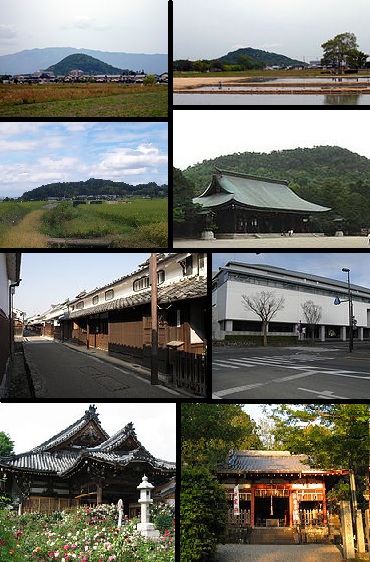
Kashihara-shi is a city located in Nara Prefecture, Japan, notable for its rich historical significance and serene natural beauty. Established as a city on April 1, 2004, through the merger of several smaller towns, including Kashihara, the city has quickly gained recognition for its pivotal role in Japan's ancient history. Kashihara is often regarded as the birthplace of the Japanese imperial lineage, with the nearby Mount Amanokagu serving as a backdrop for the legendary establishment of the first Japanese state by Emperor Jimmu in 660 BC. This historical context has made the city an important archaeological site, attracting researchers and tourists interested in Japan's early civilization.
The city is also home to various cultural landmarks, including the Kashihara Shrine, which honors Emperor Jimmu, as well as the Nara Prefectural Museum of Folklore, that showcases the local traditions and history. Surrounded by lush mountains and valleys, Kashihara offers opportunities for outdoor activities such as hiking and cycling. The region's climate features four distinct seasons, making it a beautiful destination year-round, particularly during cherry blossom season in spring and the vibrant foliage in autumn. With a growing population of around 130,000 residents, Kashihara blends the charm of a rural lifestyle with accessible urban amenities, including shopping, dining, and education, embodying the essence of Japan's harmonious balance between nature and modernity.
Facts about Kashihara-shi
- Kashihara-shi is known as the birthplace of the first emperor of Japan, Emperor Jimmu, making it a significant historical site.
- The city is home to the Kashihara Shrine, which is dedicated to Emperor Jimmu and attracts many visitors and pilgrims each year.
- Kashihara-shi was designated as a city in 1958, and it is a part of Nara Prefecture, known for its rich cultural heritage.
- The city is surrounded by beautiful mountain ranges, including the famous Yoshino Mountains, which are a UNESCO World Heritage Site.
- Kashihara has a unique connection to the ancient Kofun burial mounds, which are historical tombs from the 3rd to 6th centuries that are scattered throughout the area.
- The annual Kashihara Jingu Shrine Festival features traditional music, dance, and various cultural performances, highlighting the city's commitment to preserving its heritage.
- Kashihara-shi is known for its production of high-quality local sake, thanks to its abundant underground water sources.
- The city hosts the Nara Prefecture History Museum, which showcases the local history, culture, and artifacts, including those from the ancient Yamato period.
- Kashihara-shi is strategically located and serves as a gateway to other historical sites in Nara, including Nara Park and Todai-ji Temple.
- The city maintains a blend of modern urban life and traditional Japanese culture, with various festivals and events that celebrate its historical significance.