Kassala, Sudan
- 401,477 people
- 2 places to visit
- 15.4581, 36.404
Places to Visit (2)
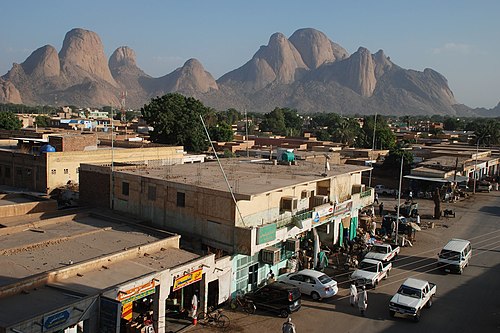
Kassala is a prominent city located in eastern Sudan, near the border with Eritrea. It serves as the capital of the Kassala State and is strategically positioned at the foothills of the picturesque Eritrean mountains. The city is situated about 500 kilometers east of Khartoum, the capital of Sudan, and acts as a vital commercial hub connecting Sudan to Eritrea. The population of Kassala is diverse, comprising various ethnic groups, including the Beja people, who have inhabited the area for centuries. The city is known for its lively marketplaces, where traditional crafts and local produce are sold, contributing to an economy that relies on agriculture, trade, and small-scale industries.
Kassala has a rich cultural heritage, influenced by its geographical location and the confluence of different cultures over time. The architectural landscape of the city features a mix of traditional Sudanese structures and colonial-era buildings, reflecting its historical significance as a center of trade and migration. The surrounding region is characterized by arid landscapes, but the nearby Gash River provides vital irrigation for agriculture, enabling the cultivation of crops like sorghum and millet. Kassala is also a gateway to natural attractions, including the Taka Mountains, which draw visitors for hiking and exploration. Furthermore, the city has faced challenges such as economic fluctuations and political instability, but it remains a vital point of convergence for commerce, culture, and community in eastern Sudan. The resilience of its inhabitants and their commitment to preserving their unique heritage continues to shape the identity of Kassala today.
Facts about Kassala
- Kassala is known for its unique geographical features, including the impressive Taka Mountains that provide a stunning backdrop to the city.
- The city has a rich history as a trade hub, particularly during the 19th century, connecting Sudan to Eritrea and Ethiopia.
- Kassala is home to the famous Khatmiyah Mosque, which attracts thousands of pilgrims every year due to its spiritual significance.
- The architecture in Kassala reflects a mix of styles influenced by Arab, African, and colonial British designs, making it distinct from other cities in Sudan.
- Kassala hosts the annual Kassala Festival, celebrating local culture, music, and crafts, fostering community spirit and tourism.
- The local economy in Kassala is significantly supported by agriculture, particularly the cultivation of sorghum and sesame, due to the region's favorable climate.
- Kassala is unique for its proximity to the Eritrean border, facilitating cross-border trade and cultural exchange.
- The city is known for its diverse population, comprising various ethnic groups, contributing to a vibrant cultural tapestry.
- Kassala features unique traditional crafts, including weaving and pottery, which are key elements of local heritage.
- In the past, Kassala served as a center for the Sudanese Mahdist movement, influencing the religious and political landscape of the region.