Kasukabe, Japan
- 206,915 people
- 15 places to visit
- 35.9753, 139.7523
Places to Visit (15)
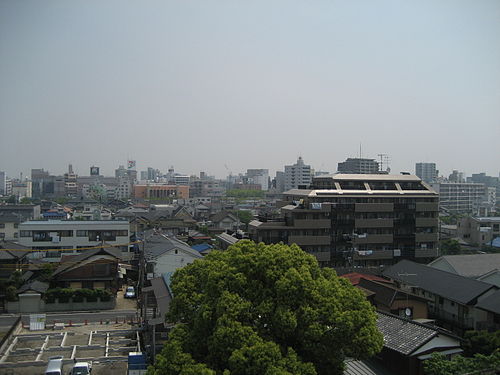
Kasukabe is a city located in Saitama Prefecture, Japan, known for its blend of urban and rural landscapes. Situated approximately 30 kilometers north of central Tokyo, it offers a mix of modern amenities and traditional Japanese culture. The city is part of the Greater Tokyo Area and has become an attractive residential area for commuters who work in Tokyo. Kasukabe is characterized by its relatively low population density, green spaces, and proximity to vital transport links, making it a favorable environment for families.
The city has a rich heritage, with historical sites such as the famous Kasukabe Shrine, which dates back to the early Edo period. This shrine is known for its beautiful architecture and sacred trees, attracting both locals and tourists. Kasukabe's landscape is punctuated by numerous parks and rivers, notably the Arakawa River, which provides recreational opportunities, including fishing, cycling, and riverside strolling. The city also has several educational institutions and cultural facilities that enrich the community's quality of life. Seasonal festivals frequently take place, blending traditional customs with contemporary community spirit, where residents celebrate local culture and foster unity.
Kasukabe gained international recognition through its depiction in popular culture, notably as a setting in the famous manga and anime series "Dragon Ball," where the protagonist, Goku, trains in the fictional version of the city. The influence of "Dragon Ball" has led to an increase in tourism, as fans seek to connect with the locations featured in their favorite series. Today, Kasukabe continues to thrive as a modern city while maintaining a deep respect for its cultural and historical roots, making it a unique part of Japan’s metropolitan tapestry.
Facts about Kasukabe
- Kasukabe is known for the Kasukabe City Flower Park, which features a wide variety of seasonal flowers and hosts events throughout the year.
- The city is famous for being associated with the popular anime character Crayon Shin-chan, as it serves as the inspiration for the fictional town of Kasukabe in the series.
- Kasukabe has a rich history, with archaeological findings indicating human habitation in the area dating back to the Jomon period (14,000 - 300 BCE).
- The city is home to the Kasukabe Daishi, a Buddhist temple that attracts visitors with its beautiful architecture and tranquil gardens.
- Kasukabe hosts the annual Kasukabe Fireworks Festival, showcasing a stunning display of fireworks that attracts thousands of spectators each summer.
- The city features a unique historical site, the Iwatsuki Castle Ruins, where visitors can explore remnants and learn about the local feudal history.
- Kasukabe has a notable agricultural sector, particularly in the production of fruits and vegetables, contributing to the region's economy.
- The Kasukabe area is recognized for its production of unique local delicacies, including Kasukabe-style grilled eel, which is popular among residents and visitors alike.
- The city's well-connected transportation system includes the Tobu Urban Park Line, making it easily accessible for commuters traveling to Tokyo and surrounding areas.
- Kasukabe has participated in the Satoyama movement, promoting sustainable land use and the preservation of the region's natural environments and traditional farming practices.