Kathmandu, Nepal
- 1,442,271 people
- 15 places to visit
- 27.7172, 85.324
Places to Visit (15)
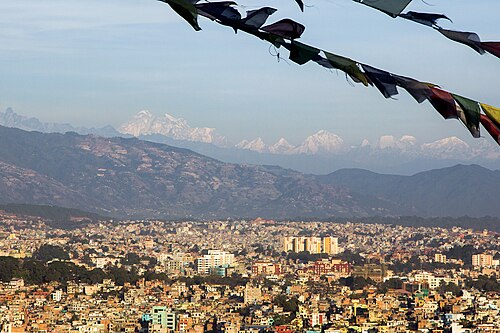
Kathmandu, the capital city of Nepal, is located in the Kathmandu Valley at an elevation of approximately 1,400 meters (4,600 feet) above sea level. It is the largest city in Nepal, with a population exceeding 1 million people, and serves as the political, cultural, and economic heart of the country. The city's history dates back over 2,000 years, and it has been a significant center for trade and culture, drawing influences from India and Tibet. Kathmandu is known for its rich heritage, featuring an array of historical landmarks, temples, and stupas, many of which are UNESCO World Heritage Sites, including the Durbar Square, Swayambhunath, and Boudhanath. The architecture reflects a blend of various styles, prominently showcasing pagoda and stupa designs, which are integral to Nepalese culture.
The economy of Kathmandu largely revolves around tourism, which is bolstered by the city's proximity to popular trekking routes like those leading to the Annapurna and Everest regions. Visitors are drawn to the city not only for its natural beauty but also for its vibrant culture, including traditional festivals, music, and dance. However, Kathmandu faces several challenges, including rapid urbanization, pollution, and infrastructural strain. The 2015 earthquake significantly impacted the city, causing damage to many historical sites and prompting reconstruction efforts. Despite these challenges, Kathmandu remains a city of resilience, embodying the spirit and traditions of Nepal while working towards modernization and development. As a gateway to the Himalayas, it continues to attract adventurers and cultural enthusiasts from around the globe, making it a pivotal hub in South Asia.
Facts about Kathmandu
- Kathmandu is the capital city of Nepal and serves as the political, economic, and cultural hub of the country.
- It is home to seven UNESCO World Heritage Sites, including Durbar Square, Swayambhunath (Monkey Temple), and Pashupatinath Temple.
- Kathmandu Valley was historically known as one of the three kingdoms in Nepal, along with Bhaktapur and Patan.
- The city is famous for its unique blend of Hindu and Buddhist cultures, which influence its festivals, architecture, and daily life.
- Kathmandu has a rich tradition of art and craftsmanship, particularly in wood carving, metalwork, and traditional thangka painting.
- The city was once an important stop on the ancient trade routes between India and Tibet, which contributed to its cultural diversity.
- Kathmandu hosts the largest festival in Nepal, Dashain, which is celebrated by millions of people every year.
- The Boudhanath Stupa in Kathmandu is one of the largest stupas in the world and a pilgrimage site for many Buddhists.
- The city's elevation at 1,400 meters (4,600 feet) above sea level contributes to its distinct climate and biodiversity.
- Kathmandu is known for its vibrant street life and offers a variety of culinary experiences, ranging from traditional Nepali dishes to international cuisine.