Katihar, India
- 192,555 people
- 4 places to visit
- 25.5541, 87.5591
Places to Visit (4)
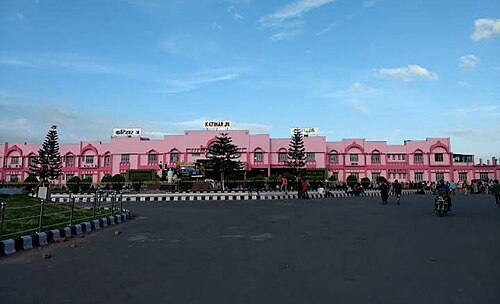
Katihar is a city located in the eastern Indian state of Bihar, serving as the administrative headquarters of Katihar district. Situated on the banks of the Ganges River, the city is known for its strategic importance in terms of transportation and trade, as it lies at the intersection of several major roads and railways. Katihar is approximately 300 kilometers from the state capital, Patna, and is well-connected by a network of highways and a railway station that serves as a junction for multiple routes. The region possesses a diverse cultural heritage, with its population comprising various ethnicities and communities, primarily consisting of Biharis, Muslims, and scheduled castes.
The economy of Katihar is primarily based on agriculture, with rice, wheat, and sugarcane as the chief crops. Additionally, the city has witnessed a gradual growth in small-scale industries and trade. Markets in Katihar are bustling with activity, particularly in textiles and local agricultural products. Education has also received attention, with several schools and colleges established to cater to the needs of the local population; notable institutions include Katihar Medical College and various polytechnic colleges. The city holds a mix of traditional and modern influences, reflected in its festivals, architecture, and daily life. The people of Katihar are known for their hospitality, with local cuisine showcasing a rich variety of flavors rooted in the region's agricultural abundance.
Despite facing challenges such as flooding during monsoon season and infrastructural issues, Katihar is steadily progressing toward development. Government efforts aimed at enhancing connectivity and improving public services contribute to its growth prospects. The city's historical significance, coupled with its natural beauty and cultural richness, makes it a point of interest in Bihar. As urbanization continues to rise, Katihar seeks to balance traditional practices with modernization, aiming to create a vibrant community that honors its past while embracing the future.
Facts about Katihar
- Katihar is located in the eastern part of India in the state of Bihar, known for its rich agriculture and proximity to the Ganges River.
- The city is home to the famous Katihar Junction, one of the major railway hubs in the region, connecting various parts of India.
- Katihar has a historical significance as it was an important center during the British colonial period and has various heritage buildings from that time.
- The city is known for its diverse population, including communities of different religions and cultures, which contributes to its vibrant social fabric.
- Katihar is celebrated for the annual Makar Sankranti festival, where locals participate in kite flying competitions and various cultural events.
- The city serves as a gateway to the northern hills of Bihar, making it a strategic location for trade and tourism in the surrounding regions.
- Katihar is also recognized for its educational institutions, including several colleges and schools that provide quality education to students.
- The economic activities in Katihar heavily revolve around agriculture, with rice, wheat, and sugarcane being some of the main crops grown in the area.
- Katihar's local cuisine is distinct, featuring dishes like litti chokha which is a traditional food enjoyed by many in the region.
- The city has a well-connected transportation network, including roads and railways, facilitating trade and commuting to and from major cities.