Katori-shi, Japan
- 74,469 people
- 8 places to visit
- 35.8978, 140.4993
Places to Visit (8)
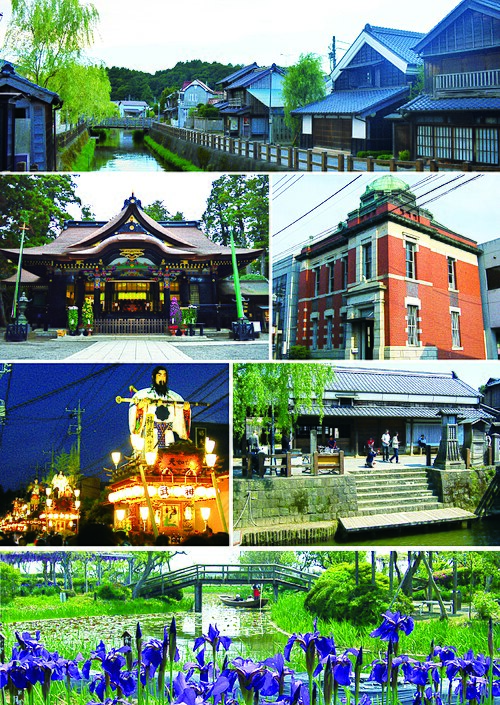
Katori-shi is a city located in Chiba Prefecture, Japan, known for its rich history and cultural heritage. Situated in the eastern part of the Kanto region, Katori is bordered by Narita and the Pacific Ocean. Established as a city on April 1, 2000, Katori-shi was formed through the merger of several towns, including Katori and Sawara, which have a long-standing history that dates back to ancient times. The city is named after the prominent Katori Shrine, one of the oldest Shinto shrines in Japan, believed to have been founded during the early Kamakura period in the 12th century. The shrine is revered as a powerful deity of martial arts and has attracted many visitors who come to pay their respects and take part in various religious festivals held throughout the year.
Katori-shi is notable for its scenic landscapes and traditional architecture. The city is characterized by lush greenery, rice paddies, and water bodies, making it an appealing destination for nature enthusiasts. Its location near Tokyo and Narita International Airport provides easy access to urban amenities while retaining its rural charm. One of the major cultural highlights of Katori is its preservation of traditional crafts, such as the local production of hand-painted ceramics known as "Katori ware." The city also hosts various annual events, including the Katori Fireworks Festival, which draws large crowds and showcases stunning pyrotechnics against the backdrop of the night sky. Moreover, Katori's historical significance is evident in its well-preserved temples and shrines, creating a unique blend of cultural and natural attractions that draw both domestic and international tourists. The city continues to nurture its rich traditions while embracing modern developments, making it a distinctive destination within Japan.
Facts about Katori-shi
- Katori-shi is home to the Katori Shrine, one of the oldest Shinto shrines in Japan, established over 2,600 years ago.
- The city is located in Chiba Prefecture and is notable for its historical significance related to the Kanto region, particularly during the Kamakura period.
- Katori-shi is famous for the Katori-kumano Taisai, a traditional festival featuring elaborate floats, which highlights the city's rich cultural heritage.
- The name 'Katori' comes from the ancient area known as Katori-no-kuni, reflecting the city's historical significance as a regional center.
- Katori-shi hosts several historical sites, including the ruins of Katori Castle, which was established in the 16th century and played a key role during the Sengoku period.
- The city is recognized for its production of traditional textiles, particularly the unique Katori Kizuna fabric that features intricate designs and craftsmanship.
- Katori-shi is located near the Narita Airport, making it a convenient gateway for tourists exploring the Kanto region.
- The city is also known for its scenic natural landscapes, including the Sawara River and various parks, which provide opportunities for outdoor activities.
- Katori is close to the historic town of Sawara, which features Edo-period buildings and is often referred to as 'the little Edo' of the Kanto region.
- Katori-shi emphasizes environmental sustainability, showcasing several eco-friendly initiatives and programs aimed at preserving local nature and culture.