Katowice, Poland
- 317,316 people
- 14 places to visit
- 50.2649, 19.0238
Places to Visit (14)
Katowice, the capital of the Silesian Voivodeship in southern Poland, is a vibrant city recognized for its significant industrial heritage and dynamic transformation into a cultural and technological hub. With a population of around 300,000, it is one of Poland's key urban centers and part of the Upper Silesian metropolitan area, which boasts a combined population of over 2 million. Historically, Katowice emerged as an industrial city in the 19th century, fueled by its mineral wealth, particularly coal and iron, making it a focal point for heavy industry during the industrial revolution. The region's rich resources attracted numerous workers, shaping the city's demographics and economic landscape.
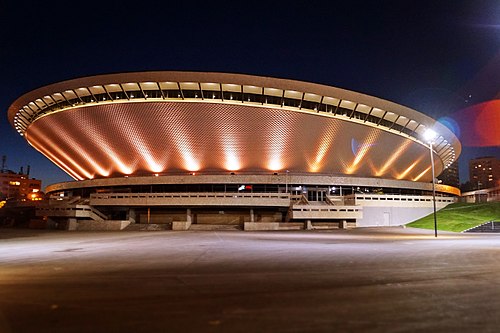
In recent decades, Katowice has undergone a substantial transformation, shifting from an industrial stronghold to a center for services, culture, and education. The city has invested heavily in revitalizing its urban space, leading to the development of modern infrastructure, such as the Spodek arena, a striking example of mid-20th-century architecture that hosts concerts and sports events, as well as the International Congress Centre. The cultural scene in Katowice has also flourished, with music festivals, art exhibitions, and institutions like the Silesian Museum showcasing the region's history and cultural diversity. Additionally, the city is increasingly recognized as a technology and innovation center, home to a growing number of start-ups and research institutions.
Katowice's commitment to sustainability is evident in its ongoing efforts to address environmental concerns and promote green initiatives. The city is well-connected through an extensive public transport network, including trams, buses, and a modern airport, making it accessible to both local and international visitors. As Katowice continues to evolve, it remains a testament to the resilience of urban centers in adapting to change while preserving their historical significance. The blend of industrial past, contemporary culture, and forward-thinking policies positions Katowice as a city of rich heritage and promising future, appealing to tourists, businesses, and residents alike.
Facts about Katowice
- Katowice is known as the heart of the Upper Silesian industrial region and played a pivotal role in the coal and steel industries of Poland.
- The city is home to the Spodek, an iconic stadium and concert hall shaped like a flying saucer, which hosts major events including concerts and sports competitions.
- Katowice has a vibrant cultural scene, featuring the Silesian Museum that showcases the region's industrial heritage and contemporary art.
- The city hosts the Off Festival, one of Poland's most significant music festivals, focusing on alternative music and independent artists.
- Katowice is recognized for its unique Brutalist architecture, with landmarks like the International Conference Center and the nearby NOSPR (National Polish Radio Symphony Orchestra) building.
- Unlike many other Polish cities, Katowice has a strong presence of modern business and technology, with a growing startup ecosystem and numerous business events.
- The city's revitalization projects have transformed former industrial sites into cultural spaces, such as the now-popular Katowice Culture Zone.
- Katowice was designated a UNESCO City of Music in 2017, celebrating its rich musical heritage and contemporary music scene.
- The city is a significant transport hub with a major railway station and international airport, serving as a gateway to the Silesian region and beyond.
- Katowice has a notable green initiative, with parks and green spaces being developed in the city center to enhance urban living and biodiversity.