Katsina, Nigeria
- 670,000 people
- 7 places to visit
- 12.9908, 7.6018
Places to Visit (7)
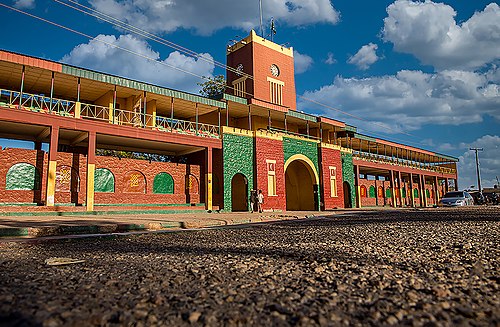
Katsina is a significant city located in the northwestern region of Nigeria, serving as the capital of Katsina State. It is one of the oldest cities in Nigeria, with a rich history that dates back to the 14th century when it was part of the Hausa Kingdoms. The city is strategically situated along trade routes, making it a vital commercial hub historically. Katsina's population is predominantly made up of the Hausa-Fulani ethnic group, who have maintained a rich cultural heritage that is reflected in the city's language, traditions, and festivals. The predominant language spoken in Katsina is Hausa, although English is also used, especially in administrative and educational contexts.
Katsina is characterized by a distinct blend of traditional and modern elements. The city is known for its ancient architecture, including the Katsina City Wall, built in the 18th century for protection against invaders, and the Kofar Soro Gate, which is one of the main entrances to the historic city. Agriculture plays a critical role in the local economy, with millet, sorghum, and cowpea being primary crops grown in the surrounding areas. Additionally, Katsina has become an important center for educational pursuits, housing various institutions, including the Federal University of Katsina. The city is also known for its vibrant culture, with significant events such as the annual Durbar festival, which showcases traditional horse riding, music, and dance, drawing visitors from across the region and beyond. With its historical significance and evolving modern landscape, Katsina serves as both a point of cultural pride and a center for economic activity in northern Nigeria.
Facts about Katsina
- Katsina is one of the oldest cities in Nigeria, founded in the 11th century, and represents a critical center for trade and Islamic culture in the region.
- The city is known for its traditional architecture, including the famous Katsina Emirate Palace, which showcases the rich history and culture of the Hausa people.
- Katsina is home to the Gidan Kuka (Kuka House), a museum that houses artifacts and exhibits related to the history of the Katsina Emirate and Hausa culture.
- The city hosts the annual Katsina Cultural Festival, which celebrates local traditions, music, dance, and the arts, drawing participants from across Nigeria and beyond.
- Katsina is strategically located near the border with Niger Republic, making it a vital hub for cross-border trade and cultural exchange.
- The city has a strong educational presence, with institutions like the Umaru Musa Yar'Adua University contributing to the higher education landscape in Nigeria.
- Katsina is recognized for its unique textile production, particularly the famous ‘Akwete’ cloth, which is known for its intricate patterns and vibrant colors.
- The Katsina State government actively promotes agriculture, particularly cotton and livestock farming, making it one of the key agricultural centers in Nigeria.
- The city has a significant historical site known as the Kofar Mata Dye Pits, an ancient site where traditional indigo dyeing techniques are still practiced today.
- Katsina is often referred to as 'The Centre of Learning' due to its contribution to Islamic scholarship and education over centuries, attracting students from various regions.