Kavála, Greece
- 54,027 people
- 12 places to visit
- 40.9376, 24.4129
Places to Visit (12)
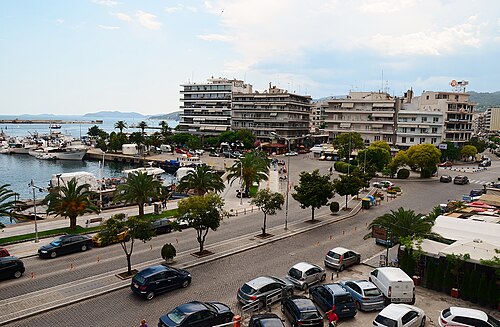
Kavála is a picturesque coastal city located in northeastern Greece, known for its rich history, stunning landscapes, and vibrant culture. Situated on the Aegean Sea, it serves as the capital of the Kavála regional unit in Eastern Macedonia and Thrace. The city has been an important trading port since antiquity, dating back to its founding around the 6th century BCE. Historically, it was known as Neapolis, the port city of Philippi, and played a significant role in the spread of Christianity in the region, particularly after the Apostle Paul's visit around 50 CE. Today, remnants of its ancient past, including the ruins of the Philippi archaeological site, attract numerous visitors and serve as a testament to its historical significance.
The architecture of Kavála showcases a blend of various cultures and periods, with influences from Byzantine, Ottoman, and modern Greek designs. A notable landmark is the imposing castle that overlooks the city, originally built during the Byzantine era and later fortified by the Ottomans. The Ottoman influence is further evident in the city's charming old town, with its narrow alleyways, traditional houses, and the 16th-century Imaret, a former Islamic charity building now serving as a hotel. In addition to its historical sites, Kavála is famed for its beautiful waterfront, marked by a vibrant promenade lined with cafés and restaurants serving local delicacies. The surrounding region is known for its natural beauty, including the nearby Thasos island and lush countryside, which offer opportunities for outdoor activities like hiking and swimming.
Economically, Kavála thrives on a mix of tourism, fishing, and agriculture, particularly olive oil production and the cultivation of tobacco, which has historically been a significant part of the local economy. The city hosts various cultural events and festivals throughout the year, emphasizing its rich traditions and fostering community spirit. The range of educational institutions in the city highlights its role as a center for learning and cultural exchange. As a modern city with deep historical roots, Kavála continues to attract visitors with its unique charm, making it a noteworthy destination in Greece.
Facts about Kavála
- Kavála is famous for its well-preserved Byzantine castle, offering panoramic views of the city and the sea, which differentiates it from many other Greek towns.
- The city has a historical aqueduct, known as the Kamares, built in the 15th century by the Ottoman Empire, which is one of the most iconic structures in Kavála.
- Kavála is renowned for its tobacco production, which played a significant role in the local economy and can be traced back to the 19th century, making it unique in Greece's agricultural history.
- The town was the birthplace of the notable figure Muhammad Ali Pasha, the founder of modern Egypt, whose house has been preserved and is a significant historical site.
- Kavála's old town, with its traditional houses and narrow streets, offers a distinctive charm that is quite different from many industrial or modernized Greek cities.
- Every summer, Kavála hosts the Kavála International Music Festival, showcasing a variety of musical genres and attracting artists from around the world.
- The city has a rich archaeological heritage, with nearby sites like the ancient city of Philippi, which is a UNESCO World Heritage Site, providing a unique historical connection.
- Kavála is known for its beautiful beaches, such as Batis Beach and Ammolofoi Beach, which stand out for their clear waters and scenic landscapes compared to other coastal towns.
- The city's seafood, particularly the local dish 'Kavala-style shrimp', reflects its unique culinary traditions influenced by both the sea and the city's multicultural past.
- Kavála's port is one of the busiest in Northern Greece, facilitating trade and tourism, which distinguishes it from many smaller towns that lack such significant maritime activity.