Kayes, Mali
- 194,716 people
- 4 places to visit
- 14.4394, -11.4467
Places to Visit (4)
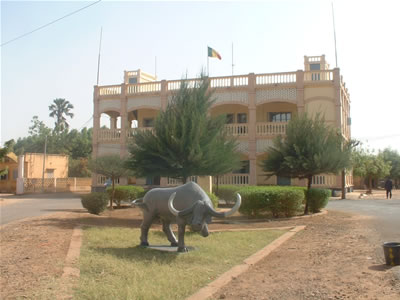
Kayes is a city in southwestern Mali, serving as the capital of the Kayes Region. It lies along the banks of the Senegal River, which forms part of the border between Mali and Senegal. Kayes is strategically positioned approximately 500 kilometers from the capital city of Bamako, making it an important logistical hub for trade and transportation. With a population of around 100,000 residents, Kayes is known for its cultural diversity, largely due to the various ethnic groups that inhabit the region, including the Bambara, Soninke, and Fulani people.
Historically, Kayes has been referred to as the "Gateway to Mali" due to its pivotal role in trade routes linking the coastal cities of West Africa to the interior. The city has a rich history that dates back to pre-colonial times, having served as a center for the trans-Saharan trade. Today, Kayes retains its significance through agricultural activities, primarily cotton and millet farming, which are vital to the local economy. The city's markets reflect its vibrant culture, showcasing a variety of goods including textiles, pottery, and traditional crafts.
Despite its historical importance, Kayes faces several challenges, including economic issues, limited infrastructure, and climate impacts such as drought. Nonetheless, the city's residents exhibit resilience and strong community ties, engaging in various initiatives aimed at improving living conditions and fostering development. Kayes also attracts visitors interested in its scenic landscapes, historical sites, and the rich cultural heritage of its inhabitants, offering a glimpse into the traditions and lifestyles of the diverse populations in the region.
Facts about Kayes
- Kayes is located in the western part of Mali, near the border with Senegal, and is known as the 'Gateway to the West' due to its strategic position.
- The city was historically significant as a center for the trans-Saharan trade routes, linking Mali to trade networks in North Africa.
- Kayes is home to the famous Mount Koulouba, a prominent geographical feature offering panoramic views of the surrounding landscape.
- The city hosts the annual Kayes Festival, which celebrates local music, culture, and traditional crafts, distinguishing it as a cultural hub.
- Kayes is notable for its unique architecture that blends traditional Malian designs with colonial influences, creating a distinct urban aesthetic.
- The region is rich in natural resources, including gold mining, which has contributed to the local economy and development.
- Kayes is known for its vibrant markets, especially the Kayes Market, where traders gather to sell local produce, crafts, and goods, reflecting the city's commercial importance.
- It is also recognized for its railway station, which is part of the Bamako-Kayes railway that enhances transportation and trade within the region.
- Kayes has a diverse cultural heritage, with a mix of ethnic groups including the Bambara, Soninke, and Malinke, each contributing to the city's rich traditions.
- The city played a crucial role in the history of Mali’s independence movement, being a hub for political activism and organization.