Kazincbarcika, Hungary
- 32,396 people
- 11 places to visit
- 48.2489, 20.619
Places to Visit (11)
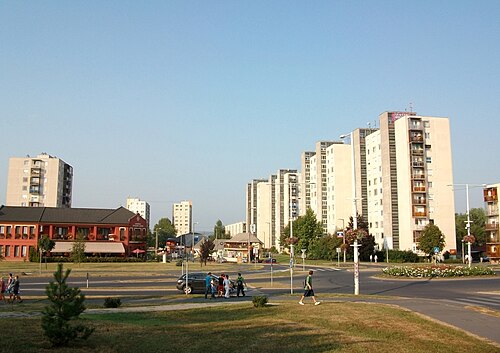
Kazincbarcika is a town located in northeastern Hungary, within Borsod-Abaúj-Zemplén County. Situated approximately 30 kilometers northwest of Miskolc, Kazincbarcika lies at the confluence of the Sajó and Barcika rivers, which contribute to its picturesque landscape. The town was established in 1950 through the amalgamation of several smaller settlements, notably Barcika and Kazinc, and has since developed into a key industrial and administrative center in the region. The population of Kazincbarcika is around 15,000 residents, reflecting its status as a moderate-sized urban area in the country.
Kazincbarcika has a rich industrial history, particularly in the mining and metallurgy sectors, due to the abundant coal and mineral resources in the vicinity. During the mid-20th century, the town experienced significant industrial growth, leading to the establishment of numerous factories and facilities that became crucial to the local economy. Although the decline of heavy industry in Hungary after the fall of communism in the early 1990s posed challenges, Kazincbarcika has diversified its economy and is now home to various small and medium-sized enterprises. The city also emphasizes education and culture, evident in its well-established educational institutions and community programs.
In addition to its industrial significance, Kazincbarcika is known for its dedication to green spaces and community development. The town boasts numerous parks and recreational areas, providing residents with opportunities for outdoor activities and leisure. The local government prioritizes environmental sustainability and has initiated several projects aimed at improving the urban landscape and quality of life for its inhabitants. Cultural events, art exhibitions, and festivals further enrich the social fabric of Kazincbarcika, reflecting the town's commitment to fostering a vibrant community spirit. As it moves forward, Kazincbarcika continues to blend its industrial heritage with modern aspirations, making it a notable example of a dynamic Hungarian town.
Facts about Kazincbarcika
- Kazincbarcika is known for its unique blend of natural beauty and industrial heritage as it was once a significant mining town in Hungary.
- The city was officially formed in 1946 through the merger of two towns, Kazinc and Barcika, which gives it a unique historical background compared to other cities.
- Kazincbarcika is home to the largest art gallery in Borsod-Abaúj-Zemplén County, the Kincsem Art Gallery, showcasing contemporary Hungarian art.
- The city has a rich cultural scene, highlighted by the annual Kazincbarcikai Művészetek Völgye (Kazincbarcika Valley of Arts) festival celebrating diverse art forms.
- Kazincbarcika is situated in a valley surrounded by the Bükk and Zemplén mountain ranges, making it an ideal location for hiking and ecotourism.
- The local educational institutions are recognized for their emphasis on vocational training, aligning with the industrial background of the area.
- Kazincbarcika houses the National Mining Museum, which offers insight into the mining history that shaped the region's development.
- The city features a unique urban landscape, characterized by modernist architecture from the post-war era, distinguishing it from many historical towns in Hungary.
- Kazincbarcika's proximity to the Aggtelek National Park, a UNESCO World Heritage site known for its limestone caves, provides opportunities for nature enthusiasts.
- The city is a recognized centre for sports in Hungary, with a strong emphasis on basketball and handball, enjoying regional prominence in these disciplines.