Keren, Eritrea
- 74,800 people
- 2 places to visit
- 15.78, 38.4535
Places to Visit (2)
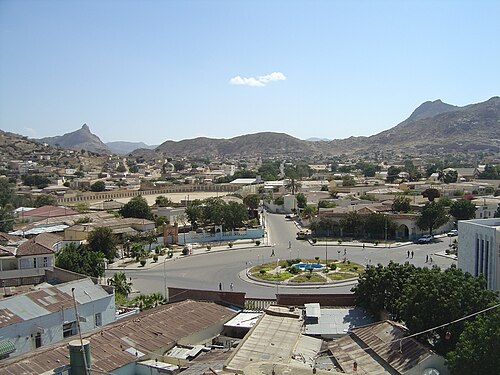
Keren, the second-largest city in Eritrea, is located in the Anseba region in the northern part of the country, approximately 91 kilometers northwest of the capital, Asmara. Nestled at an altitude of around 2,000 meters, Keren is characterized by its mountainous terrain and a semi-arid climate, which contributes to its unique ecosystem and agricultural practices. The city is known for its vibrant cultures, history, and economic activities, mainly revolving around agriculture, trade, and craft industries. Keren serves as an important commercial hub, connecting the interior highlands of Eritrea with the coastal areas, thereby facilitating trade and movement of goods.
Historically, Keren has played a significant role in Eritrea's past, particularly during the Italian colonization in the late 19th and early 20th centuries. The Italians established Keren as a major garrison town, which helped shape its architectural landscape with buildings that reflect Mediterranean influences. During the Eritrean War of Independence, Keren was a strategic location due to its logistical importance and was heavily contested. Today, the city is home to several historical sites, including the famous Keren War Memorial and the vibrant open-air market, which showcases local crafts, textiles, and traditional foods. Keren's diverse population includes various ethnic groups, and this multiculturalism is celebrated through festivals and local traditions, making it a melting pot of Eritrean culture and heritage. Overall, Keren remains an essential part of Eritrea's socio-economic landscape, reflecting the country's resilience and rich historical tapestry.
Facts about Keren
- Keren is known for its vibrant markets, particularly the Keren Market, which is one of the largest and most bustling in Eritrea, offering a wide variety of goods and local produce.
- The city has a rich cultural heritage, being home to several ethnic groups, including the Tigrinya, Bilen, and Zeger, which contributes to its diverse cultural landscape.
- Keren is famous for its annual 'Keren Festival,' which celebrates the unique traditions, music, and dance of the local communities, attracting visitors from across the country.
- Historically, Keren played a strategic role during the Italian colonization of Eritrea and is known for its colonial architecture, including the iconic Italian-style buildings that still stand today.
- The city served as an important battleground during the Eritrean War of Independence, and various memorials and sites commemorate the sacrifices made during this period.
- Keren is situated at a higher elevation than most cities in Eritrea, which results in a cooler climate, setting it apart from the hotter lowland areas of the country.
- The city is surrounded by stunning natural landscapes, including the scenic Keren Mountains, making it a potential destination for hiking and nature excursions.
- Keren is known for its unique handicrafts, particularly pottery and weaving, which reflect the artistic skills of the local artisans and are different from crafts found in other regions.
- The Keren National Park, located near the city, is a conservation area that protects diverse wildlife, including rare bird species, setting it apart from urban centers in Eritrea.
- Keren has been recognized as a center for educational development in Eritrea, housing several schools and institutions that contribute to the country’s literacy and educational advancement.