Kerman, Iran
- 577,514 people
- 6 places to visit
- 30.2839, 57.0834
Places to Visit (6)
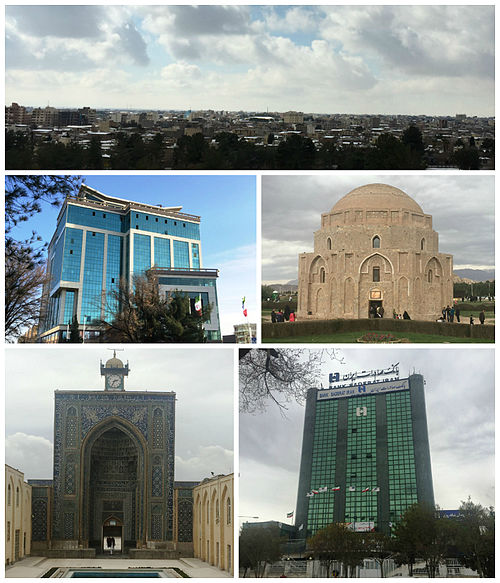
Kerman, a city in southeastern Iran, is the provincial capital of Kerman Province and serves as an important cultural and economic center in the region. With a rich history that dates back over 2,500 years, Kerman has been a significant hub for trade and commerce since ancient times, thanks to its strategic location along historic caravan routes. The city has extensive ties to Persian heritage and has played a pivotal role in the cultural and economic landscape of Iran throughout various historical periods, including the Achaemenid and Safavid dynasties. As a result, Kerman is home to a variety of historical landmarks, such as the 14th-century Ganjali Khan Complex, which features a caravanserai, a mosque, a bathhouse, and a public square outfitted with intricate tilework and architecture.
Today, Kerman boasts a diverse economy that is primarily based on agriculture, with pistachios, dates, and saffron being some of its most renowned products. The region's unique climate contributes to the cultivation of these high-demand crops, making Kerman one of the largest producers of pistachios in the world. In addition to agriculture, the city is noted for its textile industry, particularly traditional hand-woven carpets, which reflect the vibrant culture and craftsmanship of the local artisans. Kerman's economy is also supported by mining, with rich deposits of minerals such as copper, lead, and zinc. The city's population, which exceeds 300,000 residents, reflects a mix of ethnicities and cultures, contributing to its vibrant community life. Educational institutions, including Kerman University and various technical colleges, foster learning and innovation, playing an essential role in the city’s development. As a city that masterfully intertwines heritage with modernity, Kerman remains a fascinating destination for visitors and a pivotal player in Iran’s regional significance.
Facts about Kerman
- Kerman is renowned for its historical significance, being one of the oldest cities in Iran, with roots tracing back to the Achaemenid Empire.
- The Great Kerman Bazaar is one of the oldest and largest covered bazaars in Iran, known for its traditional architecture and vibrant atmosphere.
- Kerman is famous for its unique desert landscape, surrounded by the Lut Desert, which is home to Gandoman, one of the hottest places on Earth.
- The city is home to the UNESCO World Heritage Site of the Shah Nematollah Vali Shrine, a masterpiece of Persian architecture and a pilgrimage site.
- Kerman's local cuisine is distinct, notable for its special dish called 'Zereshk Polo' (barberry rice), which showcases the region's agricultural produce.
- The Kerman Carpet is recognized worldwide for its intricate designs and high-quality craftsmanship, making Kerman a hub for carpet weaving.
- The city hosts the annual Kerman International Festival, which celebrates its rich cultural heritage, including music, arts, and handicrafts.
- Kerman has a unique climate, often classified as an arid climate, leading to specific agricultural practices including the cultivation of pistachios and saffron.
- Historical sites such as the Golshan Hotel and the Jameh Mosque of Kerman reflect the city’s rich architectural heritage and blend of various Islamic styles.
- Kerman played a significant role during the Constitutional Revolution in Iran, contributing to the broader movement for democratic reforms in the early 20th century.